What can chickens eat, and which kitchen scraps should stay out of the run?
 Piotr Markotpoultry keeperFor backyard keepers and small flocks
Chickens will investigate almost anything that lands within beak range. Their enthusiasm is not nutritional approval. The useful question is not only whether a food is edible, but whether it is safe, fresh and small enough not to displace the ration that does the real work.
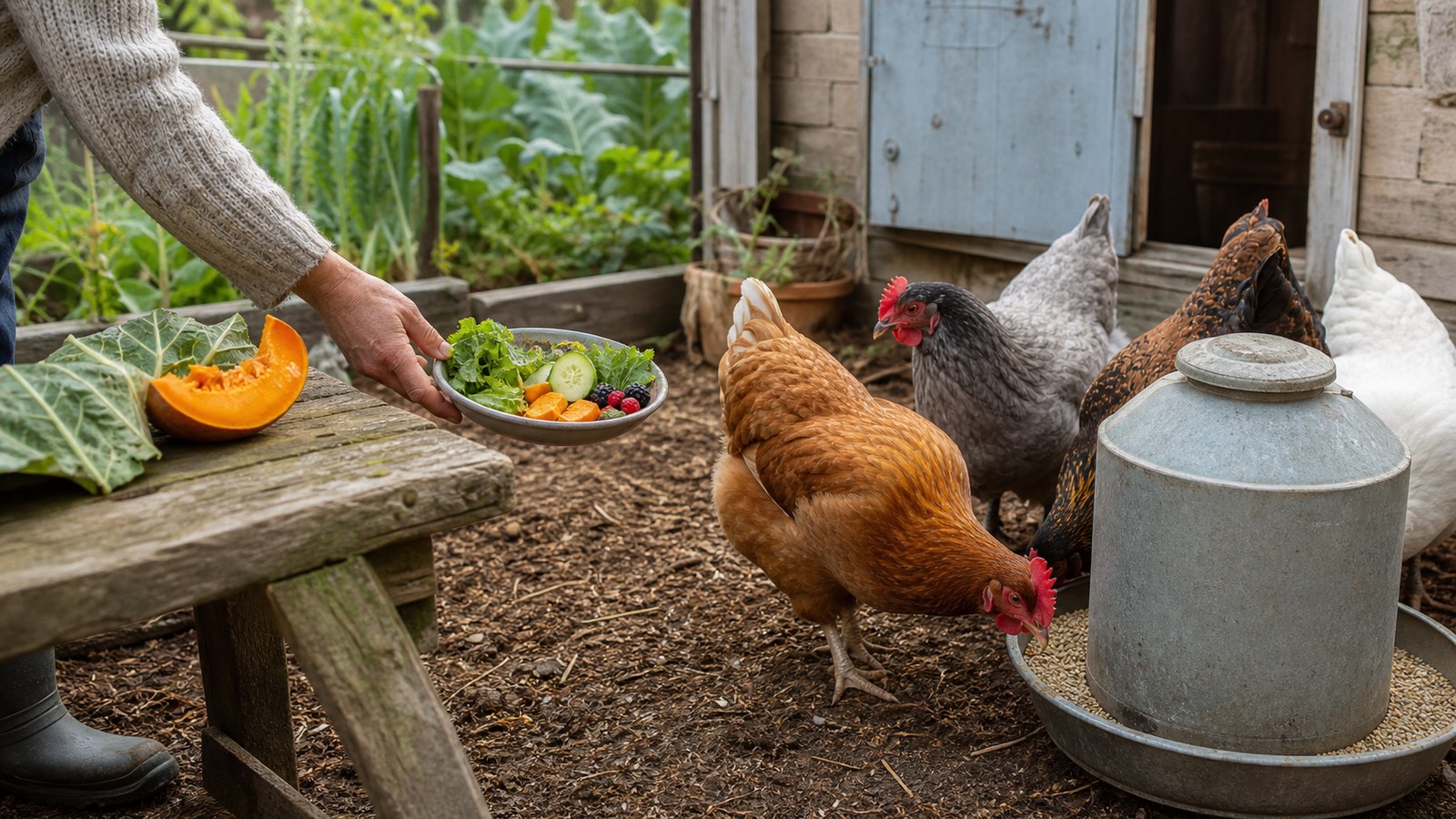
Complete feed is dinner; scraps are the garnish
A laying hen needs a ration balanced for energy, protein, amino acids, vitamins and minerals. A cabbage leaf, handful of corn or bowl of rice cannot cover that job. When birds fill up on extras early in the day, they consume less complete layer feed later. The hopper may still be full, yet nutrition has been diluted and shell quality, body condition or laying can drift in the wrong direction.
For a backyard flock I keep all treats together to roughly ten percent or less of daily intake. There is no need to weigh every blueberry. Use common sense: one modest handful shared by ten hens is a treat; a mixing bowl tipped into the run is a second ration. Offer the main feed first. If you are deciding what that foundation should look like, read the guide to feed for laying hens.
The quick answer table
| Food | Offer it? | The useful detail |
|---|---|---|
| Pumpkin, courgette, cucumber, carrot | Yes, as a treat | Fresh, clean and cut so birds can peck safely. |
| Apples, pears and berries | Yes, small amounts | Remove spoiled areas; fruit adds sugar as well as variety. |
| Rice and pasta | Occasionally | Plain and cooked is simplest; no salty or oily sauce. |
| Bread | Rarely and little | It is filling but nutritionally poor; never feed mouldy bread. |
| Potatoes | With caution | Plain cooked tuber can be a treat; discard green skin, sprouts and plant parts. |
| Tomatoes | Ripe fruit in moderation | Do not use green leaves, stems or unripe fruit as feed. |
| Egg | Cooked is useful occasionally | Do not teach birds to open raw eggs in the nest. |
| Chocolate, avocado, raw dry beans | No | These are not safe or necessary poultry treats. |
Vegetables and garden trimmings: ordinary is excellent
Chickens usually enjoy pumpkin, squash, cucumber, carrot, peas, brassica leaves and leafy greens. Split hard produce or hang a leafy head as enrichment, but do not turn treat preparation into a second job. Garden extras are most useful after birds have eaten their ration, particularly when weather or housing restrictions reduce foraging opportunities.
Never assume the compost heap is a safe buffet. Keep sprayed, rotting or unidentified plants away. Long clumps of lawn clippings can be swallowed as stringy masses and contribute to crop trouble; grazing growing grass allows the hen to take short pieces herself. If you would not recognise or handle a garden plant confidently, it does not need to become a poultry experiment.
Fruit is a treat, not unlimited hydration
Apple, pear, strawberries, blueberries, melon and watermelon can add interest. During a heatwave, juicy fruit looks helpful, but it never replaces clean drinking water and shade. Large servings bring sugar and water, loosen droppings and can reduce appetite for the balanced ration. Remove leftovers before they ferment or attract wasps and rodents.
I remove large stones and obviously damaged pieces rather than turning every pip into a toxicology debate. Citrus is often ignored, and there is no reason to persuade reluctant hens. The practical rule is fresh, plain, recognisable food in a quantity the flock finishes quickly. A fruit crate emptied daily is no longer enrichment; it is an unbalanced feeding programme.
Bread, rice, pasta and potatoes are where portions run away
A small piece of bread does not poison a healthy chicken, but bread is a poor base for a laying diet. It fills the crop without supplying the full amino-acid and mineral package needed for eggs. Wet bread can clump and mouldy bread is dangerous. If I offer any, it is an infrequent crumb-sized extra, not a bucket soaked for the flock.
Plain cooked rice, pasta and potato can be offered in small amounts. Leave out salty sauces, frying oil and seasoning. Green potatoes, sprouts and green nightshade plant parts stay away from the birds. Chips and heavily salted mash do not become good poultry feed because hens sprint towards them. Appetite is not the same thing as safety or balance.
Eggs, meat and dairy without creating another problem
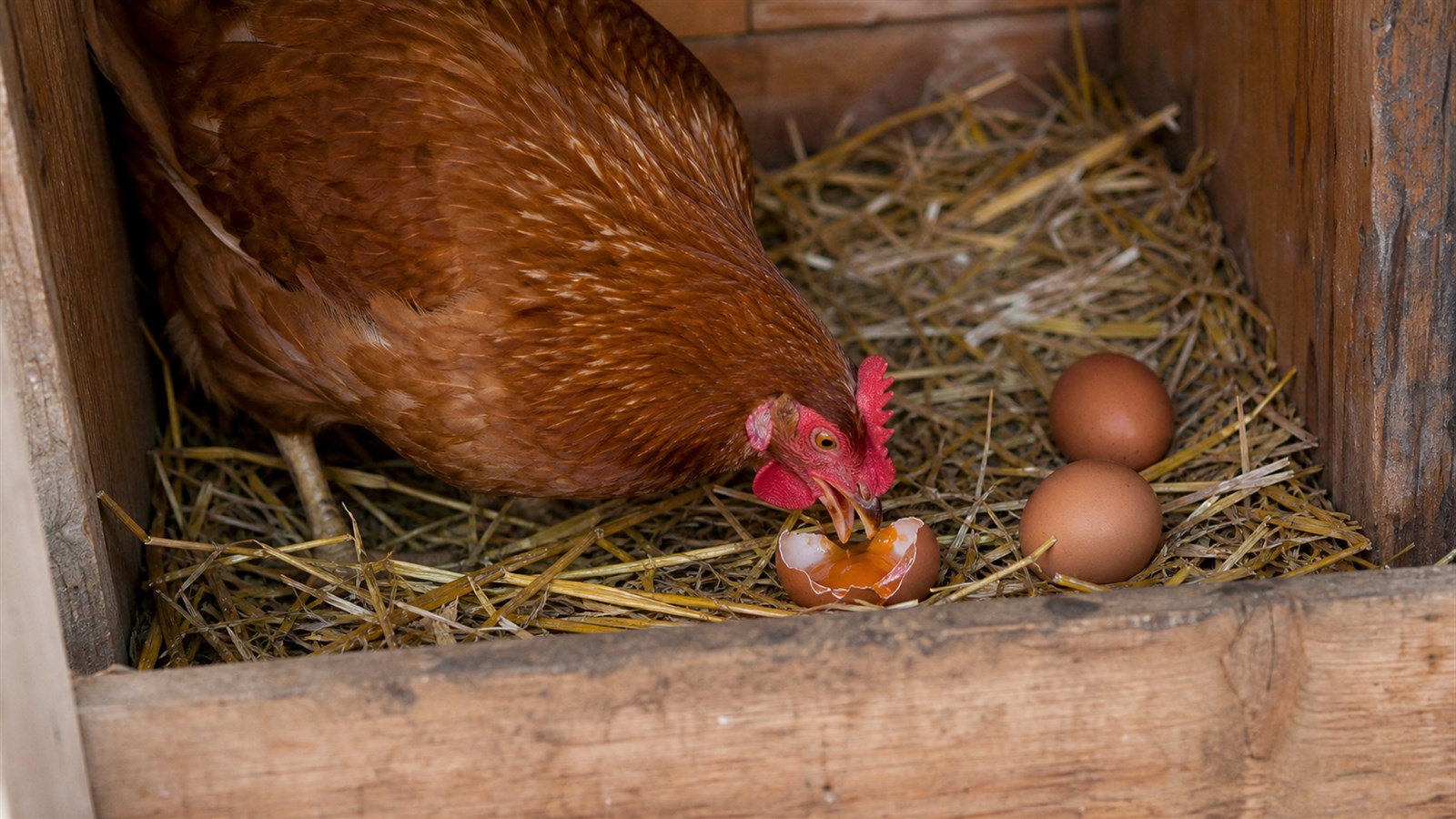
Cooked egg, chopped and served cleanly, can be a useful occasional protein-rich extra. I do not toss raw cracked eggs into the nest area. Chickens learn quickly, and a free yolk can begin a habit of testing intact eggs. If that lesson has already spread, use the separate plan for stopping hens eating eggs.
Meat scraps spoil quickly and invite pests. Dairy is not required, while cheese, creamy sauces and processed meat add salt and fat. This is not about panicking over a single crumb. It is about recognising that heavily processed leftovers offer little benefit and create avoidable hygiene work. The more ingredients and seasoning a food contains, the easier it is to put it in the proper waste stream instead.
Foods I keep out of the chicken run
- Mouldy, rotten or fermenting food, regardless of how wasteful disposal feels.
- Chocolate, cocoa, coffee, tea and energy drinks, which contain compounds unsafe for birds.
- Avocado, especially skin and stone; chickens do not need it and there is no reward for taking the risk.
- Raw or undercooked dried beans; a leftover bean dish is not necessary for a sound poultry ration.
- Green potatoes, sprouts, tomato foliage and unknown ornamental plants.
- Very salty, greasy or heavily seasoned food such as crisps, cured meat, takeaway and rich sauces.
- Packaging, string, foil and cocktail sticks hidden among otherwise ordinary leftovers.
Grit, oyster shell and complete feed are different tools
Insoluble grit helps the gizzard grind foods such as grain and garden material. Oyster shell or another suitable calcium source supports adult laying hens. Complete feed provides the balanced ration. Mixing all three names together causes poor advice. Young birds should not live on a high-calcium layer ration, and grit does not supply the nutrition missing from a bowl of scraps.
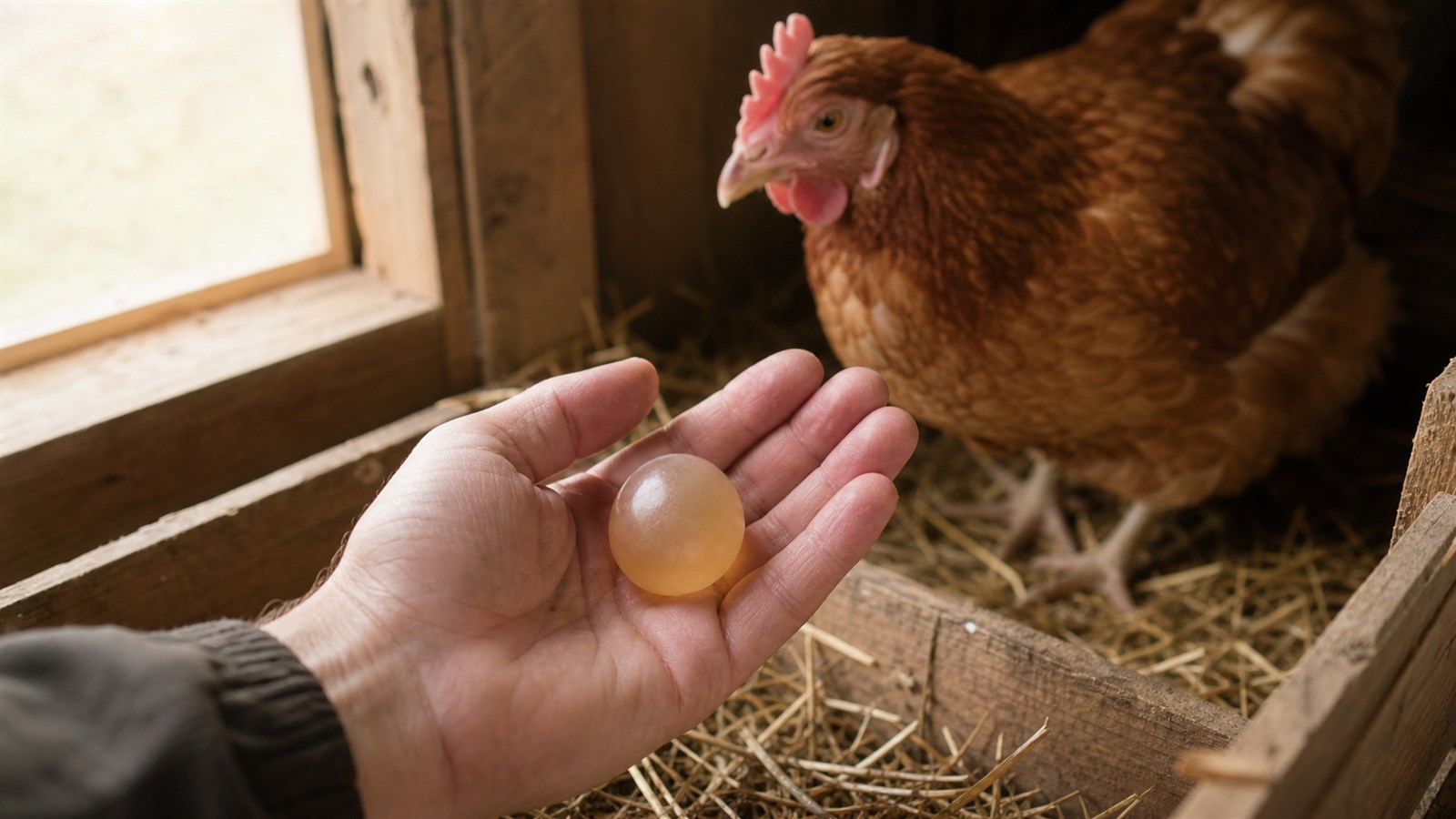
Birds receiving whole grain or fibrous treats need access to suitable grit. Offer the calcium source separately to active layers so they can take it according to need. A shell-less egg is not permission to bury every bird in calcium before checking feed, heat, age and health. The guide to soft-shelled eggs walks through that distinction.
Serve treats without opening a rodent restaurant
Offer only what the flock clears within fifteen or twenty minutes, preferably in a clean tray or designated patch. Remove the rest before evening. Wet scraps disappearing into litter raise moisture and smell, while grain left overnight teaches rats and mice exactly where dinner is served. Store the main feed dry in a pest-resistant container and sweep spills.
For one week, jot down extras as well as the normal ration. If laying falls, droppings loosen or feed remains in the hopper, simplify the menu before buying a supplement. A flock receiving bread at breakfast, corn at lunch and pasta at tea can look generously fed while missing the balance that one ordinary bag of correct feed would have provided.
A feeding rhythm that stays simple
I check water and complete feed first thing. Later, once the flock has eaten its foundation, a small garden or kitchen treat can become useful enrichment. Anything unfinished is removed before dark. This keeps treats interesting without allowing them to compete with the ration or decay beneath the feeder.
You do not need a laboratory. Watch body condition, feathers, shell quality, droppings and how quickly the proper feed disappears. When those are stable, resist improving the diet with a new internet ingredient every day. Chickens benefit more from consistency, clean water and sensible restraint than from a colourful bowl that makes the keeper feel inventive.
Keep a separate list of foods chickens should never eat
Use the detailed guide to foods chickens should not eat for mould, chocolate, raw dried beans, green potatoes, salty leftovers, warning signs and the first steps after a suspected ingestion.
Piotr Markot
poultry keeper. I keep poultry myself and write about the checks that actually help around a small coop, without pretending that every odd egg or missing feather has one magic answer.
Read next on the blog
See all guides →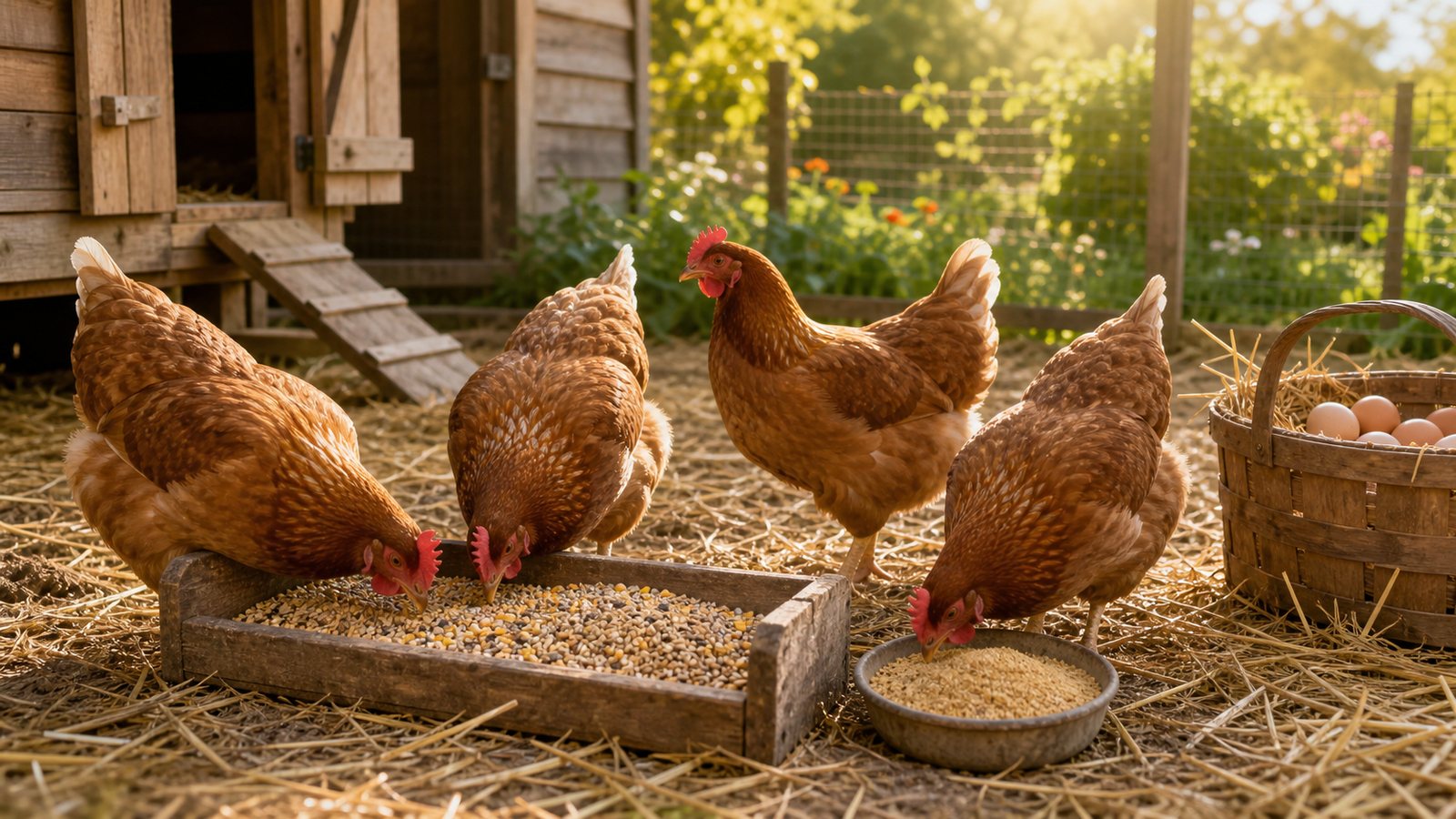
FAQ
Can chickens eat bread?
A small amount occasionally is unlikely to harm a healthy hen, but bread is filling and nutritionally poor. Never feed mouldy bread or let it replace complete feed.
Can chickens eat cooked potatoes?
A little plain cooked potato can be a treat. Keep green potatoes, sprouts and green plant parts away from the flock.
Can chickens eat tomatoes?
Ripe tomato fruit can be offered in moderation. Do not deliberately feed green stems, leaves or unripe fruit.
How many treats can chickens have?
Keep all extras together to a small share of intake, roughly ten percent or less. The age-appropriate complete ration should remain the clear foundation.
Sources behind this guide
The practical advice is checked against poultry extension and veterinary material, not just repeated from forum folklore.
Want to describe what is happening in your flock?
Tell me the birds' age, feed, housing and whether the problem affects one hen or the whole flock. The email address appears only after a click so it is not left open for simple scraping bots.
Keep the details before they disappear from memory
Twoja Farma helps you record eggs, feed changes, flock observations and costs. A short note made today is often more useful than a confident guess next week.