Soft-shelled eggs in chickens: what causes them and what should you do?
 Piotr Markotpoultry keeperFor backyard keepers and small flocks
A shell-less egg looks alarming, but one odd egg is not the same problem as a run of soft eggs across the flock. Here is how I separate a harmless laying glitch from a feeding, heat or health problem.
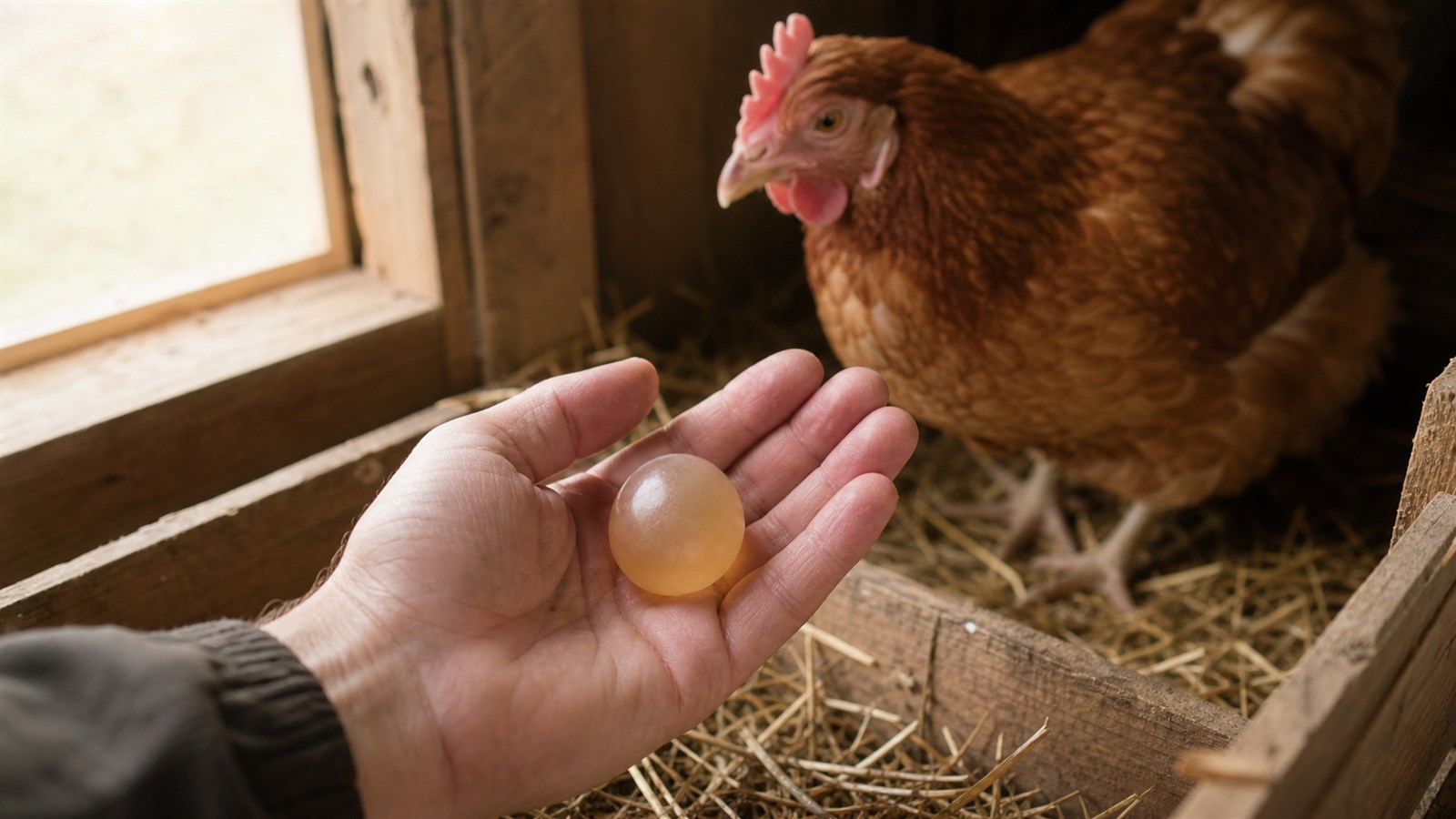
First: is it a soft shell, a thin shell or no shell at all?
People use these descriptions as if they mean the same thing, but they do not. A truly shell-less egg is held together only by the two membranes and feels like a small water balloon. A soft-shelled egg has started to collect mineral but still bends or dents. A thin-shelled egg looks normal until it cracks under very little pressure. That distinction is worth writing down because it gives you a better clue than simply noting that the egg was ‘bad’.
One misshapen first egg from a pullet can be a clumsy start to her laying career. Three soft eggs in a week from an established hen deserve a closer look. If several hens suddenly produce poor shells, I stop blaming one bird and look at what the whole flock shares: feed, water, weather, stress or disease exposure.
The short answer before we get into the details
Start with a complete layer ration, not a bucket of grain with a hopeful handful of kitchen scraps. Give adult laying hens a suitable calcium source, such as oyster shell, in a separate feeder so they can take what they need. Keep insoluble grit separate in your mind as well as in the coop: grit helps grind food in the gizzard; oyster shell supplies calcium. They are different jobs.
Then check whether the hen is young, old, overheated, recently frightened or showing any other symptom. Do not add three vitamin products, extra calcium and a new feed on the same day. If the next egg is normal, you will have learned nothing except that the cupboard is now emptier.
What I check in the first ten minutes
| Check | What I want to know |
|---|---|
| The egg | Was it completely shell-less, rubbery, merely thin, wrinkled or cracked after laying? |
| The hen | Is she bright, eating, walking normally and passing normal droppings, or is she hunched and straining? |
| The ration | Is complete layer feed the main food, or has scratch grain and scraps quietly become the main course? |
| The flock | Is this one hen's accident or a change appearing in eggs from several birds? |
| The last 48 hours | Heat, a predator visit, moving birds, a feed change and loss of water can all matter. |
How a hen builds a shell, and why the process sometimes misses
An egg does not leave the ovary wearing a ready-made shell. It travels through the oviduct, gaining albumen, membranes and finally the mineral shell. Most shell formation happens in the shell gland over many hours. The hen must have the raw materials available, but the timing and health of the reproductive tract matter too. A sudden disturbance can move an egg along before the shell is finished.
This is why a soft egg is a symptom, not a diagnosis. Low calcium is possible, but so are an inexperienced reproductive system, age-related shell decline, heat stress, interruption of feed or water, and illnesses that affect laying. The useful question is not ‘Which powder fixes this?’ but ‘Which part of the process was likely disturbed in this flock?’
Feed first: grain is useful, but it is not a layer diet
A complete layer feed is formulated to provide energy, protein, amino acids, minerals and vitamins in proportions suited to a bird making eggs. When half the ration is replaced with corn, wheat, mealworms and leftovers, every balanced mouthful is diluted. The hens may look delighted at treat time while their actual intake of protein and minerals slides in the wrong direction.
If that sounds familiar, bring complete feed back to the centre of the day. Treats should be treats, not a second ration. Our guide to feeding laying hens explains why a full feeder of grain can still leave a productive hen short of what she needs.
Calcium, vitamin D3 and the grit mix-up
The shell is largely calcium carbonate, so calcium matters. Adult layers can be offered oyster shell or another poultry calcium source separately. That does not mean pouring unlimited calcium into every bird's feed. Chicks, growers and non-laying birds have different requirements, and excessive calcium is not harmless to a growing bird.
Vitamin D3 helps the hen use calcium, which is another reason a balanced ration matters. I would not dose fat-soluble vitamins by guesswork when the base feed is already complete. And I would never call granite grit a calcium supplement. The words are often printed near each other in shops, but one helps digestion and the other supplies shell material.
Hot weather can wreck shell quality surprisingly quickly
During a heat wave, hens eat less because digestion produces heat. Less feed means less calcium and fewer nutrients entering the bird. Panting also changes acid-base balance and can make shell formation harder. In southern states or a hot British garden shed, an egg problem may begin with a water and ventilation problem rather than a bad bag of feed.
I check cool clean water, enough drinker space, deep shade and air movement before reaching for a supplement. Feeding the main ration in the cooler morning and evening hours can help intake. A sealed coop is not cooler; it is an oven with feathers. Good airflow without a harsh draught across the roost is the target.
Young pullets, older hens and a one-off strange egg
A pullet's first few eggs can be tiny, double-yolked, misshapen or poorly shelled while her reproductive system settles into a rhythm. If she is alert and the following eggs improve, I record it and give her time. I do not turn her first week of laying into a chemistry experiment.
Older hens often lay larger eggs with shells that become less robust. That may explain a gradual pattern, but age should not be used to dismiss a sudden change or a hen that looks ill. In a mixed-age backyard flock, identifying which hen laid the egg saves a lot of bad detective work.
Stress can interrupt an egg halfway through production
A dog charging the run, a raccoon worrying the coop at night, moving hens, introducing a rooster or running out of water can disturb laying. Think back over the previous day or two. The shell you find this morning reflects what happened while that egg was being made, not only what happened five minutes before collection.
Restore routine, make the coop secure and avoid chasing the birds unless necessary. If soft eggs appear after every frightening night, the answer may be stronger hardware cloth and a secure latch rather than a stronger vitamin mix. The egg basket often reports a management problem a day late.
My 48-hour plan for a shell-less egg
I keep the response deliberately boring. Boring is good because it lets you see whether the flock improves.
- Remove the damaged egg and dirty bedding so the flock does not discover an easy yolk snack.
- Watch the suspected hen for appetite, posture, breathing, droppings and repeated trips to the nest.
- Read the feed label and make sure a complete layer ration is genuinely the main food.
- Check water and heat, including whether timid hens can reach the drinker without being driven away.
- Offer the right calcium source separately to adult laying hens, not as a random heavy dose mixed through all feed.
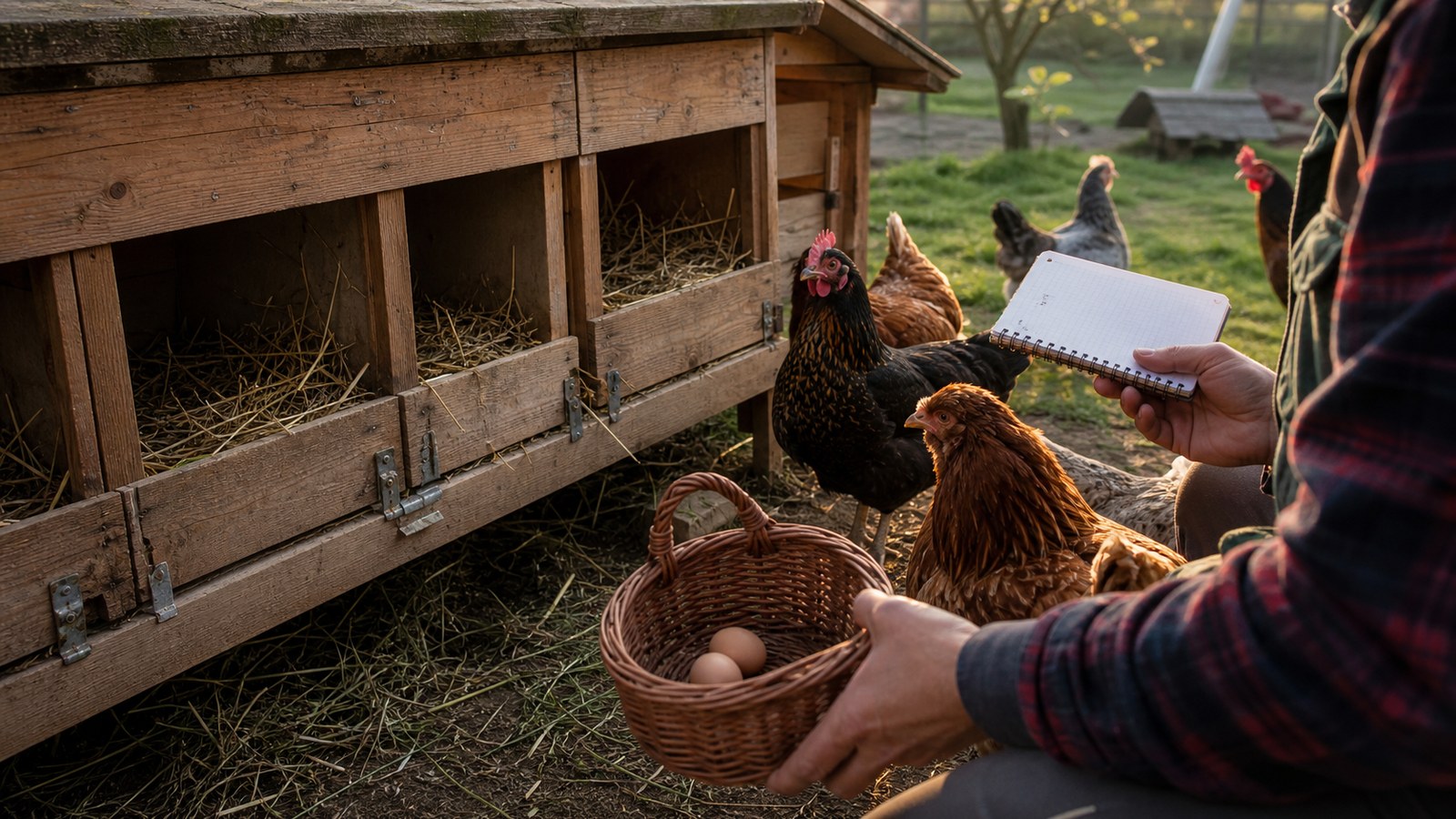
- Collect eggs more often and note whether the next eggs from that hen return to normal.
When observation is no longer enough
Call a poultry-savvy veterinarian when abnormal eggs keep appearing, several hens are affected, production drops sharply, or poor shells arrive with coughing, nasal discharge, diarrhoea, weight loss, lethargy or loss of appetite. Infectious bronchitis and other diseases can affect shell quality; a photograph of the egg alone cannot diagnose them.
A hen that strains, walks like a penguin, repeatedly visits the nest, has a swollen abdomen or appears unable to pass an egg needs prompt help. Do not pull at a suspected egg or insert tools into the vent. Reproductive emergencies can worsen quickly, and enthusiastic home surgery is a bad bargain.
Can you eat a shell-less egg?
I discard it. An intact shell is an important physical barrier. A membrane-only egg is easily contaminated by bedding, droppings and whatever the hen carried into the nest. Even when it looks clean, there is little to gain by taking the risk.
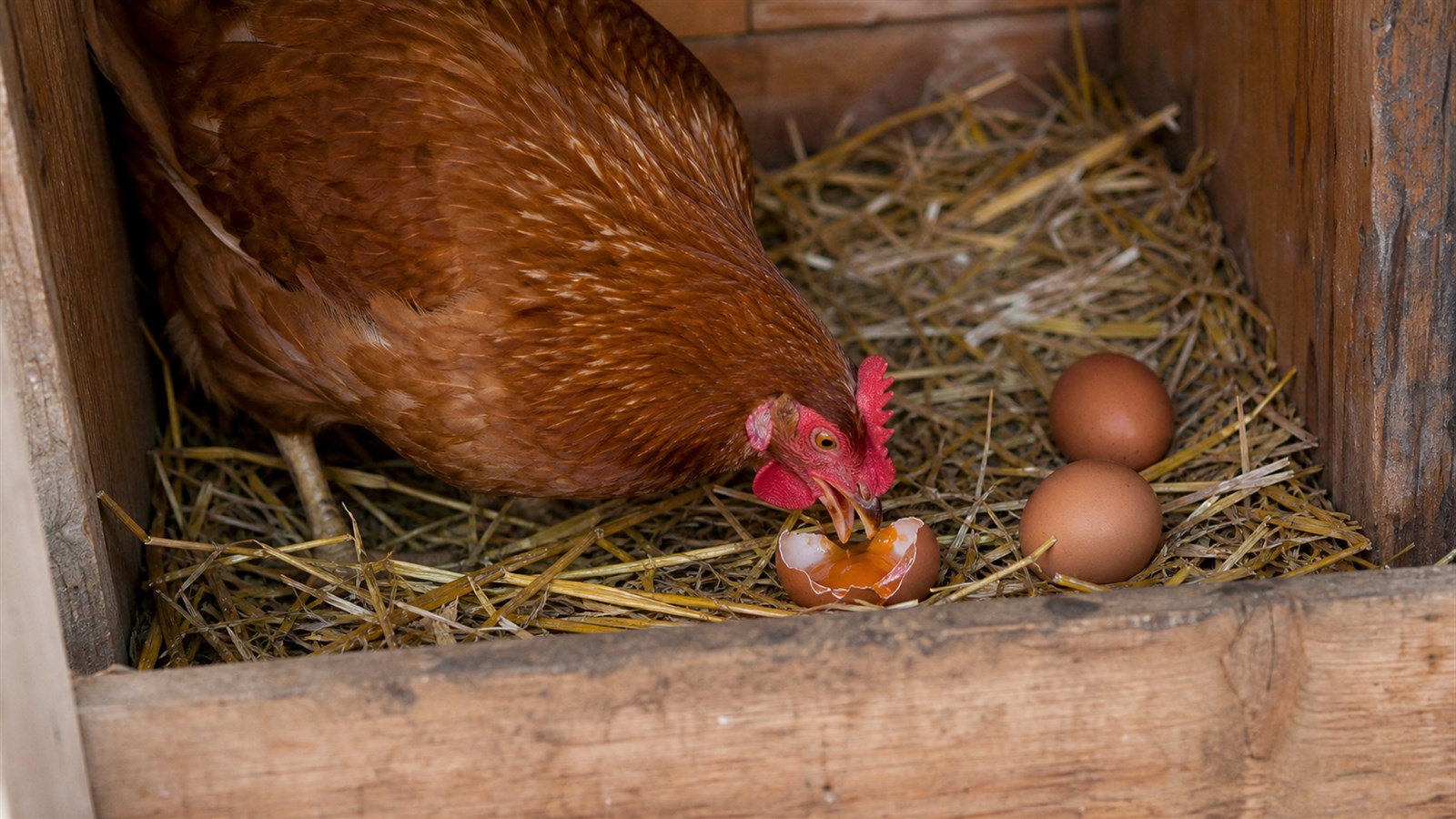
Do not leave it for the hens to clear up. A broken soft egg can be the first free lesson in egg eating. Remove it, replace soiled nesting material and check the other boxes. If birds have already started opening normal eggs, use the separate guide on stopping hens from eating eggs.
Piotr Markot
poultry keeper. I keep poultry myself and write about the checks that actually help around a small coop, without pretending that every odd egg or missing feather has one magic answer.
Read next on the blog
See all guides →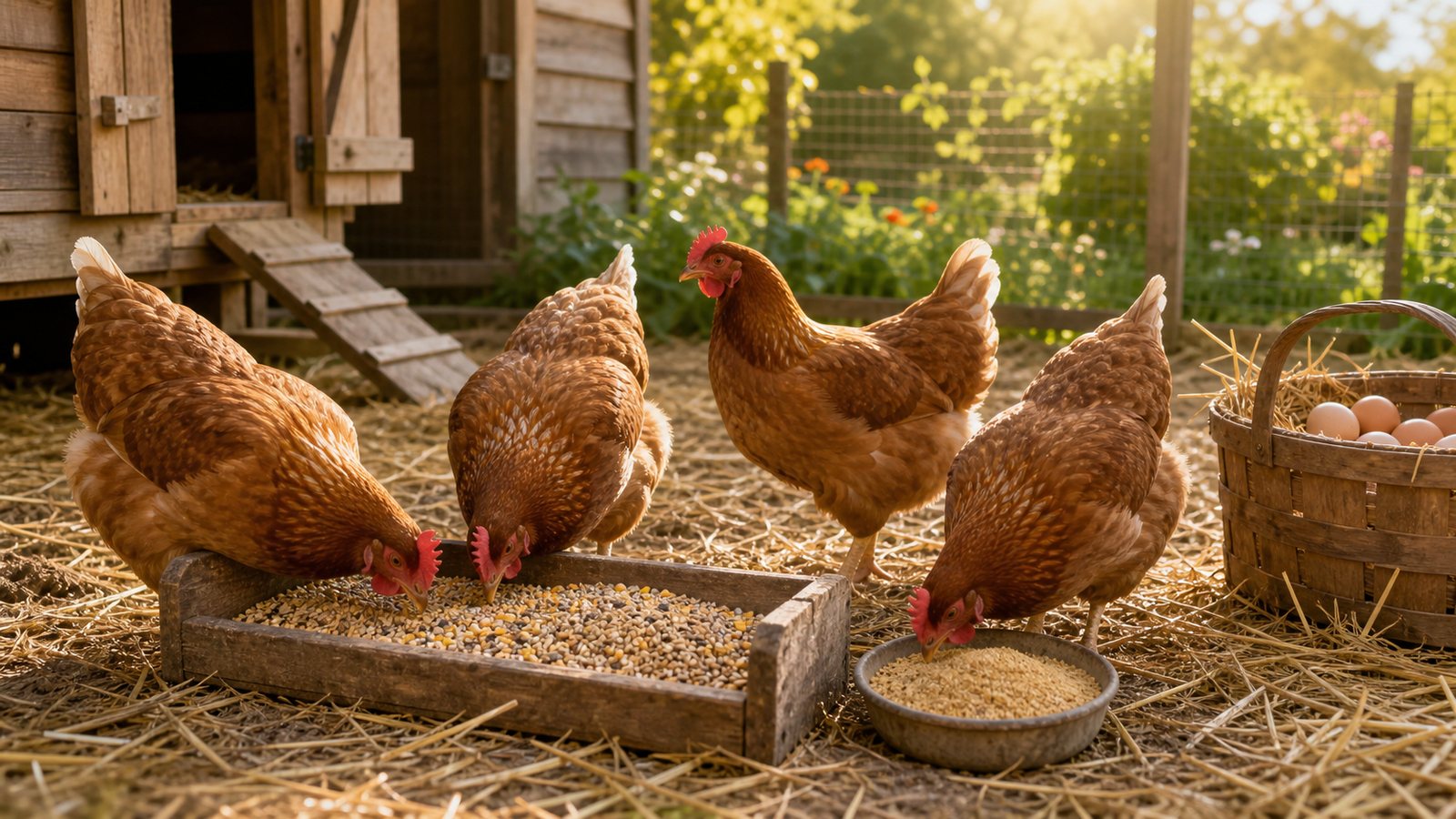

FAQ
Why did my chicken lay an egg with no shell?
A single shell-less egg can occur in a young pullet or after stress. Repeated cases call for checks of complete layer feed, calcium, vitamin D3, water, heat and the hen's health.
Should I give calcium immediately?
First confirm that complete layer feed is the main ration. Adult layers may be offered an appropriate calcium source separately, but random heavy dosing is not a substitute for a balanced diet.
Is grit the same as oyster shell?
No. Insoluble grit helps grind food in the gizzard. Oyster shell and similar products provide calcium for laying hens.
When does a soft egg need a vet?
Seek help when the problem repeats, affects several hens or comes with straining, lethargy, breathing signs, diarrhoea, poor appetite or a sharp laying drop.
Sources behind this guide
The practical advice is checked against poultry extension and veterinary material, not just repeated from forum folklore.
Want to describe what is happening in your flock?
Tell me the birds' age, feed, housing and whether the problem affects one hen or the whole flock. The email address appears only after a click so it is not left open for simple scraping bots.
Keep the details before they disappear from memory
Twoja Farma helps you record eggs, feed changes, flock observations and costs. A short note made today is often more useful than a confident guess next week.