Chicken molting: how long it lasts, what to feed and when to worry
 Piotr Markotpoultry keeperFor backyard keepers and small flocks
A coop full of feathers can look alarming, especially when the nest boxes go quiet at the same time. Molting is usually a normal annual reset, but parasites, feather pecking and illness can look similar. This guide helps you tell them apart without guessing.
The quick answer: a molt is a feather change, not a disease
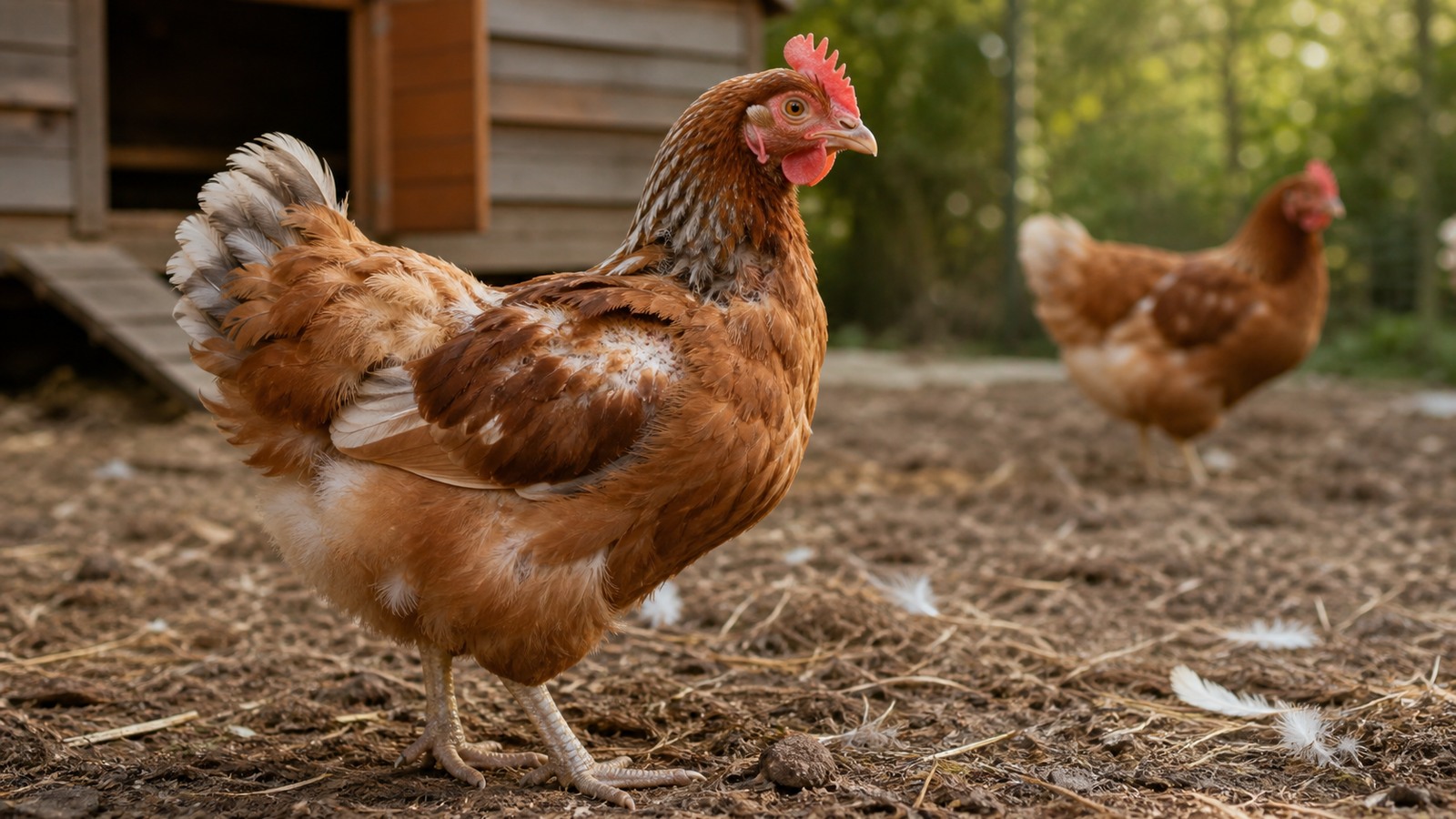
Most adult hens replace their feathers once a year. In temperate climates this often begins in late summer or autumn as daylight shortens. Nutrients that previously supported eggs are redirected into a new coat. The result can look untidy: loose feathers everywhere, a thin tail and pale pin feathers emerging around the neck.
A normally molting hen should still eat, drink, walk with the flock and breathe quietly. Do not blame the molt for marked weight loss, diarrhoea, bleeding, wheezing or a bird that stands apart with closed eyes. Those signs deserve a separate check.
When chickens molt and how long it takes
The first obvious adult molt commonly follows a hen's first full laying season. Age, breed, condition, stress and artificial lighting all influence timing. One bird may look presentable again within weeks while her flock mate stays scruffy for months. A fast molt often takes about eight to twelve weeks; a slow one can extend to four or even six months.
Photograph the same area weekly rather than counting feathers on the floor. If a bird feels light, weigh her at the same time of day and record egg numbers. A trend in body condition, appetite and regrowth is much more useful than a single dramatic morning.
- Temperate flocks usually molt as days shorten.
- New feathers appear as firm, pale pin feathers.
- Birds of the same breed can molt at different speeds.
- Sudden off-season feather loss across a flock warrants investigation.
What normal regrowth looks and feels like
A classic molt progresses from head and neck through the breast and body, then the wings and tail, although real hens do not always follow the textbook exactly. Look for even regrowth and unbroken skin rather than a perfect sequence. Pin feathers are living, blood-filled structures while they grow and can be surprisingly tender.
Handle molting birds only when necessary. Do not pull the waxy sheaths or try to loosen old feathers. Remove sharp wire, rough doorways and cramped gaps that can damage new growth. If a blood feather breaks, control bleeding and seek veterinary help when it does not stop promptly.
Why egg production falls during a molt
Feathers are largely keratin protein, and building a full set is expensive. Many hens lay fewer eggs or stop completely while they molt. Shorter days often reinforce that pause. This is normal resource allocation, not stubbornness: the bird prioritises insulation and feather renewal before returning to regular production.
Eggs usually return gradually after feather growth is complete, depending on age, breed, body condition and day length. Do not use feed or water withdrawal to force a faster molt. If a fully feathered, bright hen remains out of lay for an unusually long time, check daylight, age, broodiness, nutrition and health rather than assuming the molt is still responsible.
What to feed a molting hen
Start with a fresh, nutritionally complete ration suitable for the birds' age and production stage. A higher protein number alone does not guarantee better feathers; amino-acid balance, energy, vitamins and minerals matter too. Large handfuls of sunflower seed, mealworms or peas may dilute a balanced diet and encourage selective eating.
If you use a complete commercial ration, do not add another vitamin-mineral premix without formulating the whole diet. Keep clean water available at all times and limit treats to roughly ten percent of intake. Persistent weight loss, poor regrowth or several affected birds is a reason to review the ration with a poultry veterinarian or qualified nutritionist.
Molt, mites, feather pecking or mating damage?
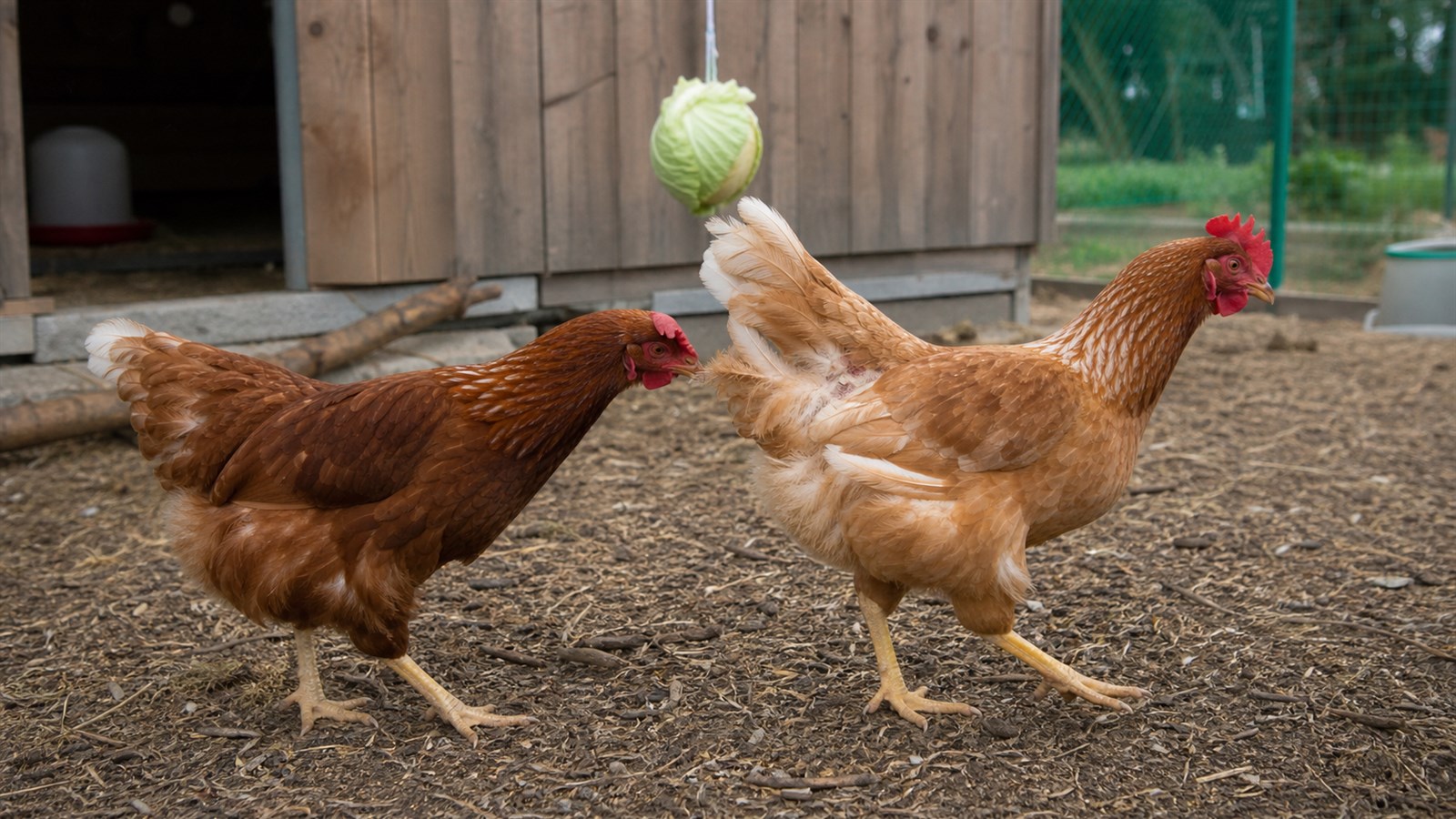
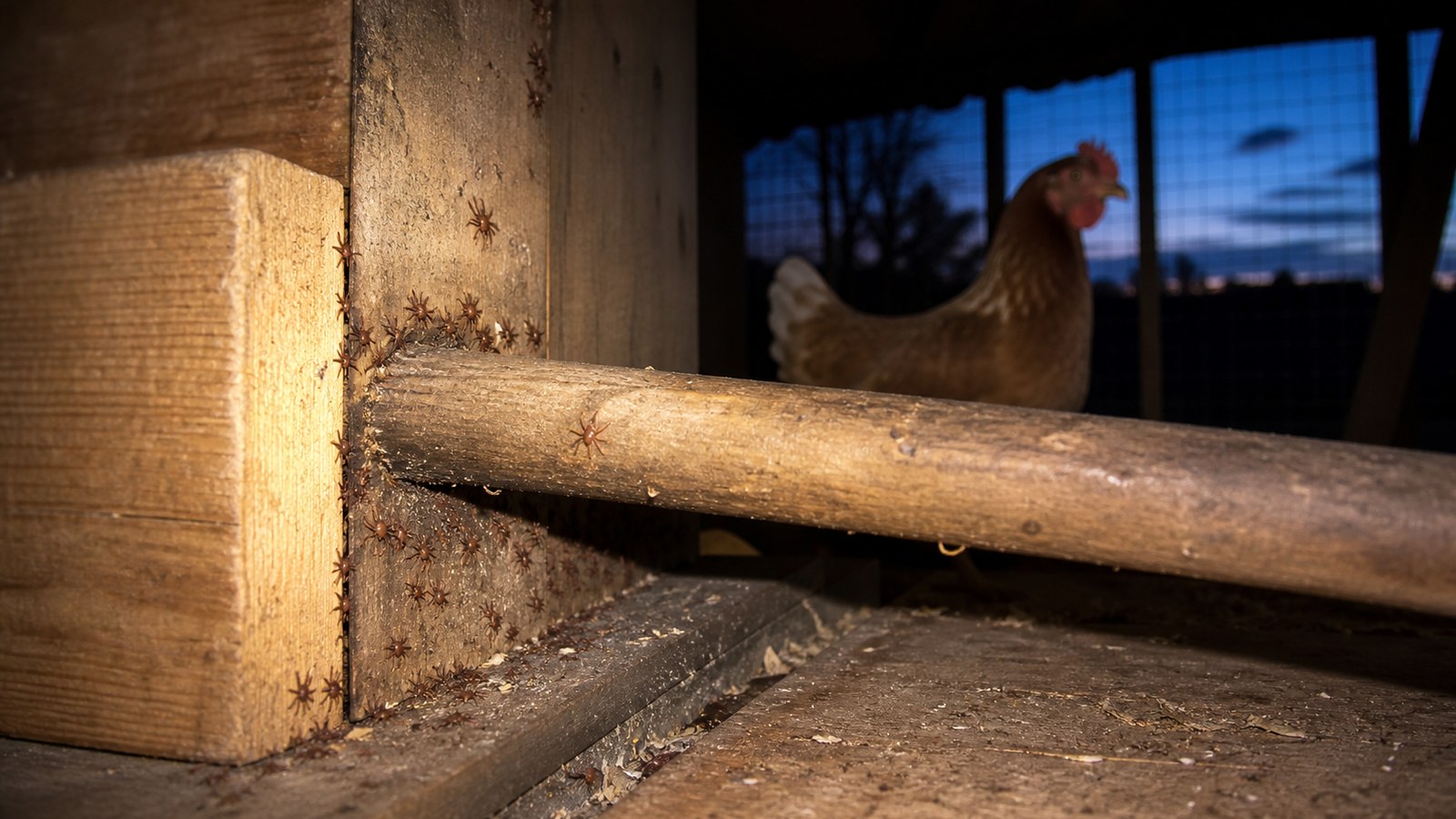
Part feathers beneath the wings, around the vent and at the tail base. Lice and their eggs may be visible on feather shafts. Red mites feed mainly at night and hide in perch joints and nest-box cracks during the day, so inspect the coop with a torch after dark. Broken feathers and reachable bare patches suggest pecking; worn backs on favoured hens may point to a rooster.
A normal molt tends to involve several body areas with orderly new growth. Itchy, inflamed skin, scabs, a pale comb or a single declining bird points elsewhere. Use the pattern as a clue, not a diagnosis.
| Finding | More consistent with | Next check |
|---|---|---|
| Loose feathers and even pins | Normal molt | Appetite, weight and regrowth |
| Itching, scabs or pale comb | External parasites | Bird and coop after dark |
| Broken feathers or back wounds | Pecking or mating | Space and flock behaviour |
| One bald, dull bird | Health problem | Isolate for observation and call a vet |
Good management while feathers grow
Keep litter dry, ventilation steady and feeder access generous. Provide more than one drinker in larger flocks and remove protruding wire or splintered boards. Avoid unnecessary catching, transport and flock mixing while pin feathers are tender. Simple routine beats an ever-changing collection of supplements.
Record eggs, appetite and feather condition once a week. A production log makes it easier to see whether the laying drop began with the molt and when it recovers. It is particularly helpful in mixed-breed flocks where hens may molt on different schedules.
- Never force a molt by withholding feed or water.
- Do not pick pin-feather sheaths or over-handle sore birds.
- Check body condition, especially in older or lightweight hens.
- Seek urgent help for breathing difficulty, severe weakness, bleeding or rapidly spreading illness.
When to call a veterinarian
Arrange prompt advice for persistent bleeding, a large wound, blue comb, laboured breathing, inability to stand, refusal to drink or rapid weight loss. Red, oozing skin and several birds becoming ill together are not a routine molt. Parasite treatment also needs the correct diagnosis, product and withdrawal guidance for your country.
When the hen is active, eating, drinking and showing clean regrowth, the best treatment is usually time, balanced feed and calm observation. Take a dated photo and compare it a week later. A healthy molt may be ugly, but it should be moving in the right direction.
Piotr Markot
poultry keeper. I keep poultry myself and write about the checks that actually help around a small coop, without pretending that every odd egg or missing feather has one magic answer.
Read next on the blog
See all guides →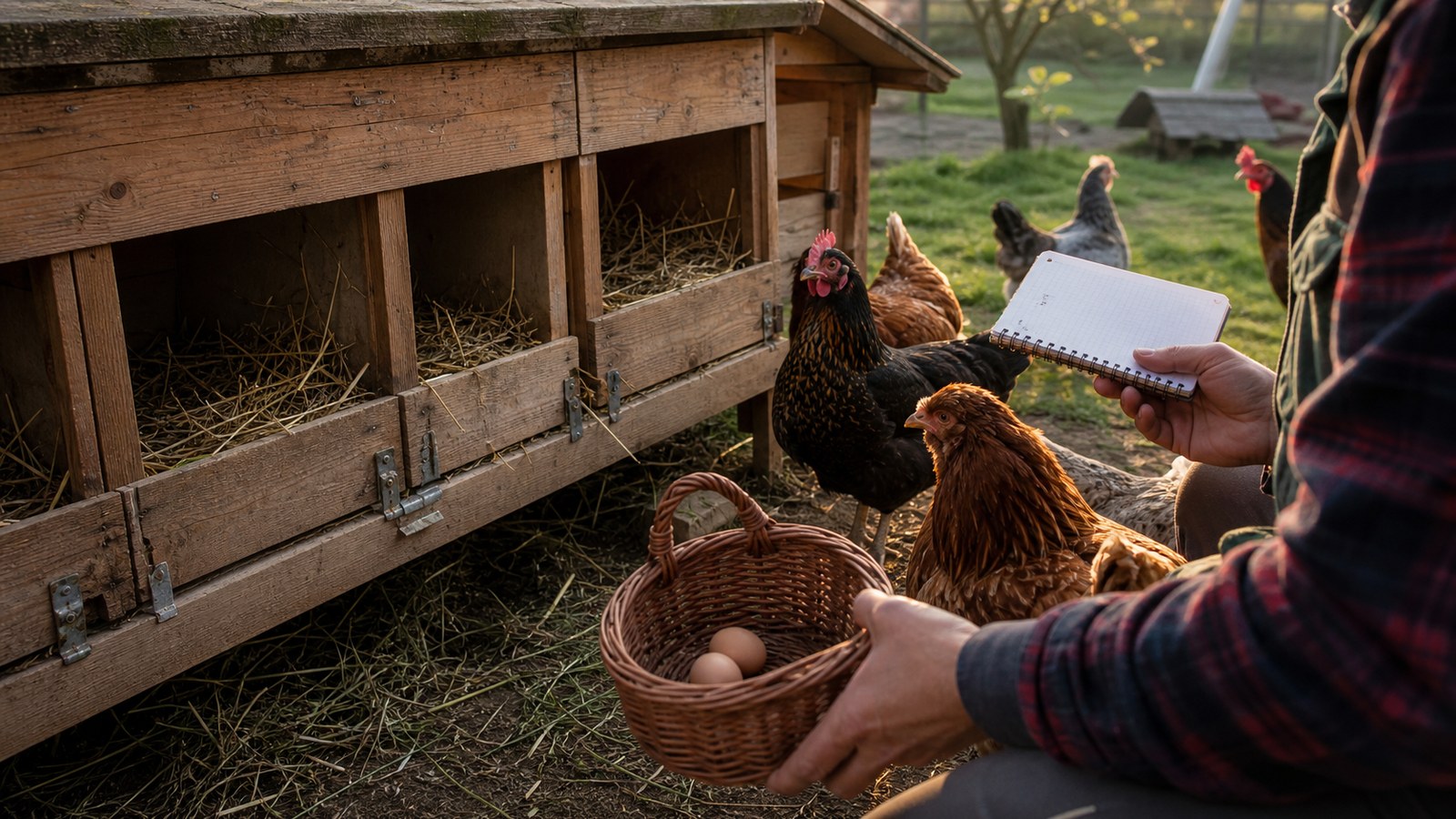
FAQ
How long does chicken molting last?
The obvious stage often lasts eight to twelve weeks, although a slow molt may take four to six months.
Do hens stop laying while molting?
Many do, while others lay occasional eggs. Production usually returns gradually after feather growth is complete.
Should I feed extra protein during a molt?
Use a complete balanced ration first. Protein percentage alone is less important than amino acids, energy, vitamins and minerals in the whole diet.
Does a bald neck always mean molting?
No. Check for itching, scabs, broken feathers, parasites, pecking and changes in the bird's general health.
Can I speed up a molt?
Do not restrict feed or water. Reduce stress, provide sound nutrition and let the bird complete the process naturally.
Sources behind this guide
The practical advice is checked against poultry extension and veterinary material, not just repeated from forum folklore.
- Mississippi State University Extension — Molting of Laying Hens
- University of Minnesota Extension — Raising chickens for eggs
- Penn State Extension — Artificial Lighting for Winter Egg Production
- Merck Veterinary Manual — Management of Backyard Poultry
- Merck Veterinary Manual — Common Infectious Diseases in Backyard Poultry
Want to describe what is happening in your flock?
Tell me the birds' age, feed, housing and whether the problem affects one hen or the whole flock. The email address appears only after a click so it is not left open for simple scraping bots.
Keep the details before they disappear from memory
Twoja Farma helps you record eggs, feed changes, flock observations and costs. A short note made today is often more useful than a confident guess next week.