Why do chickens peck and pull each other's feathers?
 Piotr Markotpoultry keeperFor backyard keepers and small flocks
A bare back is not a diagnosis. The location of missing feathers, the condition of the skin and the moment the pecking happens tell you far more than a random anti-pecking spray.
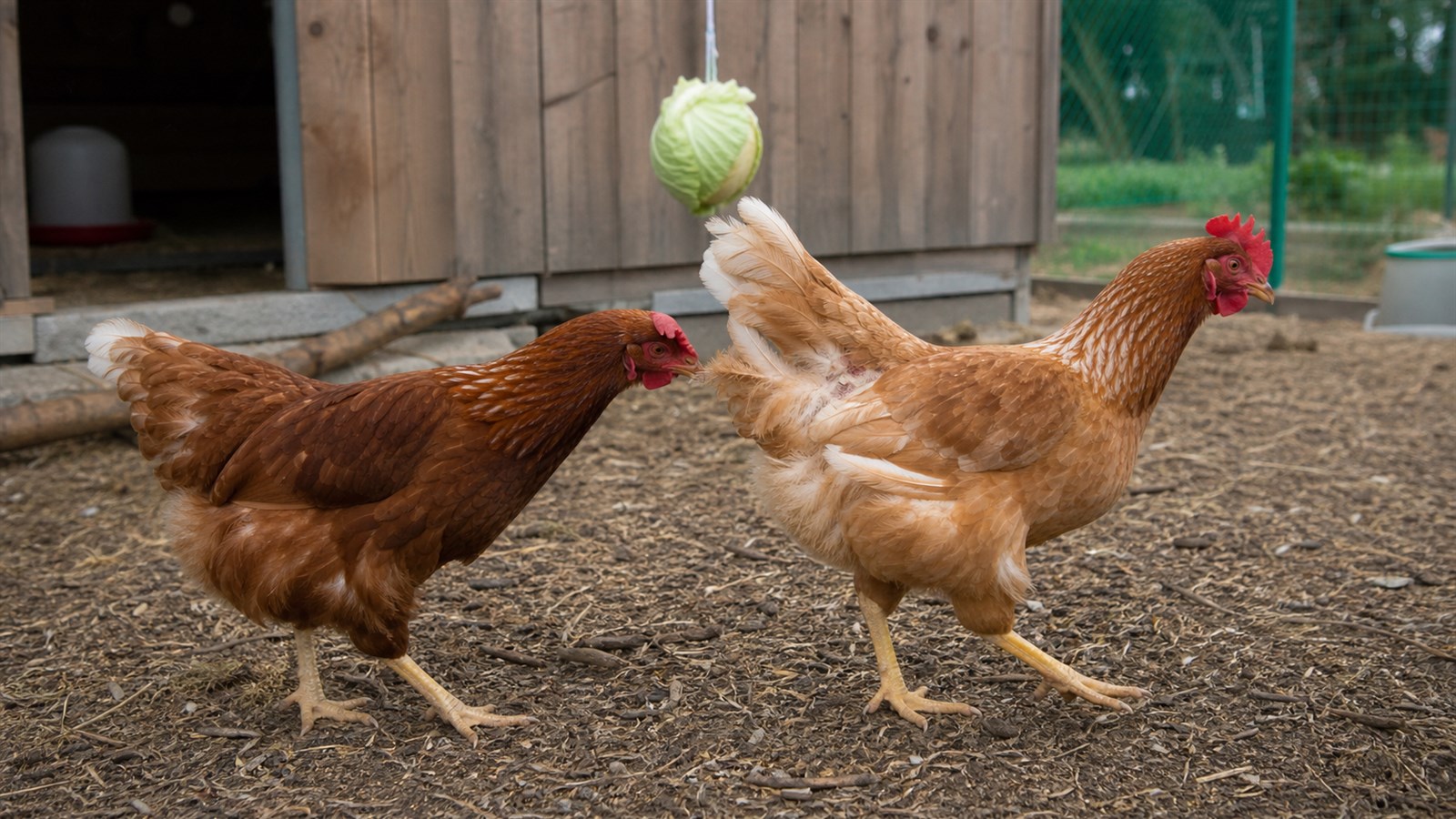
Do not call every missing feather ‘bullying’
Hens lose feathers during molt. Roosters wear feathers from the backs and shoulders of favoured hens. Mites and lice cause irritation and self-damage. Tight housing and competition create pecking. A bird with a wound may then attract attention from flock mates. These situations can look similar from the gate but need different fixes.
I start by parting the feathers and looking at the skin. New pin feathers suggest regrowth. Broken shafts and repeated pecks at the same spot suggest active damage. Red, wet or bleeding skin changes the urgency completely because chickens are strongly attracted to exposed tissue and blood.
Read the location before buying a remedy
| Pattern | What to investigate first |
|---|---|
| Back and shoulders on several hens | Rooster mating pressure, too few hens per rooster or rough mating. |
| Vent and tail area | Vent pecking, dirty feathers, prolapse, parasites or an injury that has attracted attention. |
| Head and neck | Flock conflict, a bird trapped near a wall, or pecking around feeders and perches. |
| Patchy loss with restless nights | Red mites, lice or another source of itching; inspect after dark as well as by day. |
| Whole flock in poor feather condition | Feed balance, chronic crowding, stress, parasites and the stage of molt. |
When feather pecking becomes an emergency
Gentle exploratory pecks are normal chicken behaviour. Repeated hard pecks, feather pulling, chasing a bird away from resources, vent pecking and any attack on blood are not harmless ‘pecking order’. Once tissue is exposed, the flock can move from feather damage to cannibalism with frightening speed.
Remove an injured bird to safe nearby housing where she has water, feed and can ideally still see or hear the flock. Control bleeding and contact a poultry veterinarian for deep wounds, eye injuries, prolapse, extensive tissue damage or a bird that is shocked and weak. Do not paint over a serious wound and put her straight back as if colour were the only problem.
Crowding is more than a number on a floor plan
A coop can meet a rule-of-thumb square footage and still be socially cramped. Dead ends, one narrow doorway, a feeder against a wall and too little perch length allow dominant birds to trap others. Watch the flock at busy times: release in the morning, feed, dusk and entry to the coop.
Add visual barriers and multiple routes so a lower-ranking hen can leave without running through her attacker. Spread feeders and drinkers far enough apart that one bird cannot guard both. Extra equipment placed side by side is still one guarded resource; distance and sight lines matter.
Feed quality matters, but a bag of mealworms is not a diagnosis
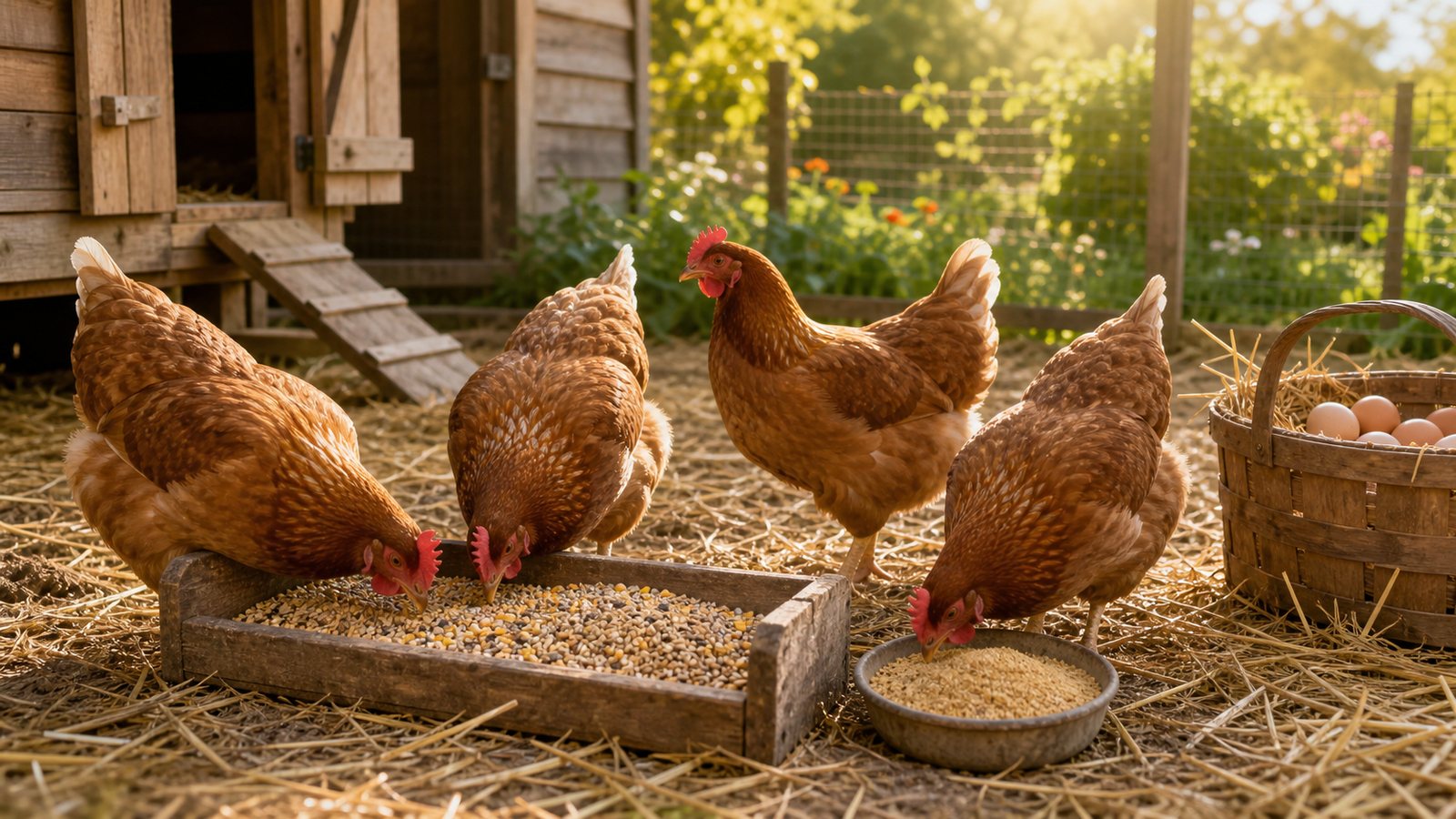
Feather growth needs protein and specific amino acids. A ration diluted with large amounts of scratch grain and leftovers may leave the flock short even when their crops look full. During molt, the demand for feather production is obvious. Bring complete feed back to the centre before inventing a home mix from whatever is in the shed.
Do not chase a suspected deficiency by pouring several supplements into water. Palatability can change, birds drink uneven amounts, and excesses create new problems. Our guide to layer feed and balanced rations gives a sound starting point. If body condition is poor or feather damage persists, involve a poultry nutritionist or veterinarian.
Check parasites at night, not only in a sunny afternoon
Red mites hide in cracks, perch ends and fittings during the day and feed on birds at night. A daytime glance at a clean-looking hen can miss them. Go out after dark with a torch, inspect perch joints and wipe suspicious crevices with white paper. Look for moving specks, grey clusters or blood smears.
Lice spend more time on the bird, so check around the vent and under wings for insects and egg clusters attached to feather shafts. Treat the actual parasite with a legal product and follow the label, including repeat timing where required. The detailed guide to red mites in the coop covers the night inspection and cleaning plan.
Boredom is real, but enrichment must fit the housing
Chickens are built to scratch, forage, dust-bathe and investigate. A bare run in a wet winter gives those beaks very little useful work. Deep dry litter, leaf piles, hanging greens, safe branches, dust-bathing material and scattered feed can make normal behaviour possible.
Enrichment cannot compensate for hunger, overcrowding or a bleeding bird. Use it as part of the solution after basic resources are secure. Rotate a few simple items rather than dumping twenty unfamiliar objects into the run and adding another layer of stress.
Rooster wear and flock ratios
If bare patches sit mainly on backs and wing shoulders, watch the rooster. One active male with too few hens can mate the same birds repeatedly. Sharp spurs and claws make the damage worse. Saddles may protect skin for a time, but they should not hide continued overmating or a wound underneath.
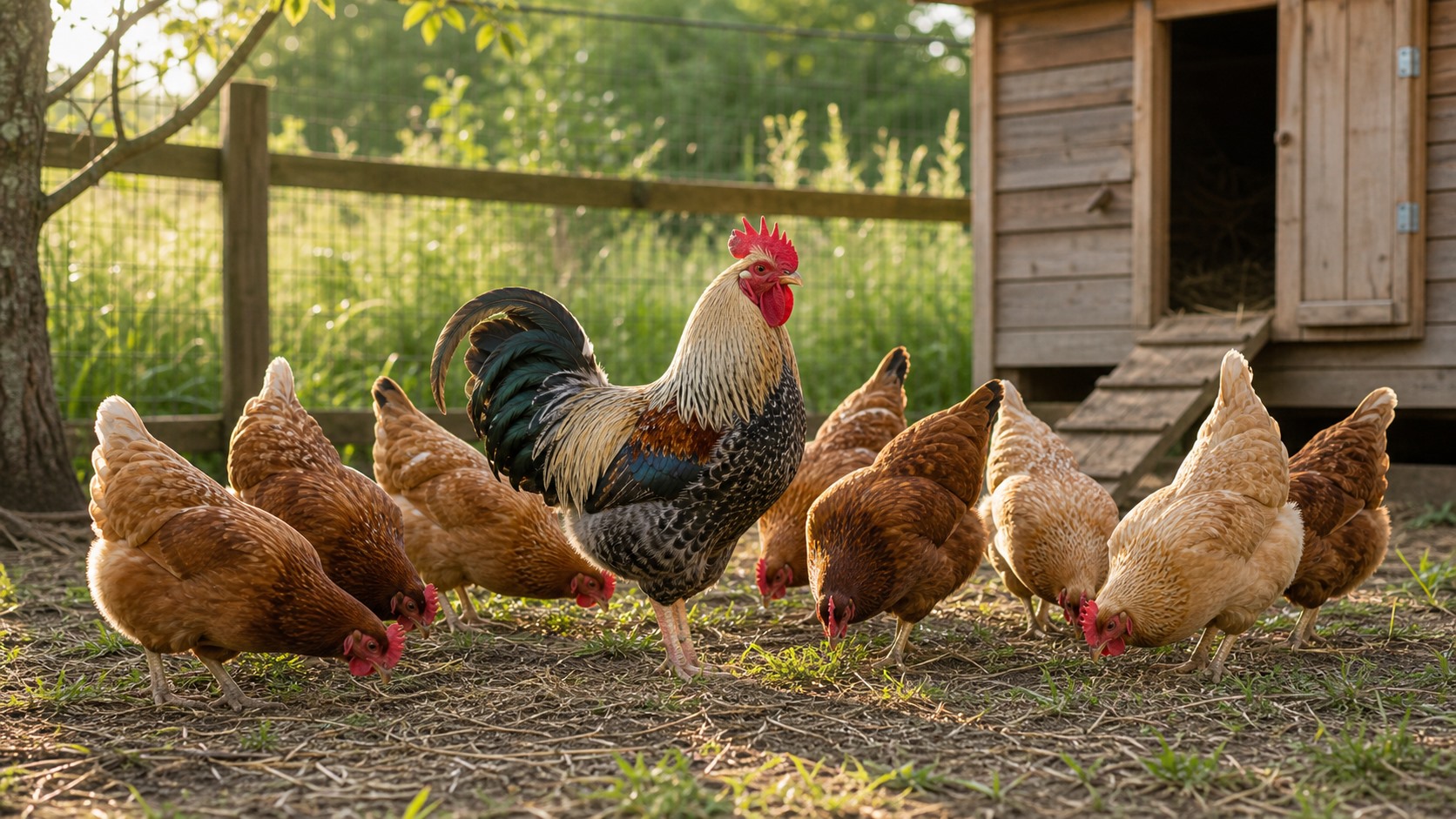
There is no perfect ratio for every breed and age, but a common starting range is around eight to ten hens per active rooster. Temperament changes the answer. The guide on how many hens per rooster explains what to watch rather than treating the ratio as a law carved into the coop door.
Introducing new hens without setting up an ambush
Dropping one unfamiliar hen into an established run gives every resident the same obvious target. Use a see-but-don't-touch introduction when possible: adjacent secure housing lets birds become familiar without direct attacks. Add newcomers in more than one place only after they know the layout and can reach resources.
Rearranging some perches and barriers can reduce territorial certainty, but do not remove all familiar structure. Supervise the first shared periods and intervene if one bird is pinned, repeatedly chased or denied food and water. A little posturing is expected; sustained injury is not an initiation ceremony.
My first-day action plan
- Separate any bleeding bird and assess the wound before the flock gets another chance.
- Map the feather loss: back, vent, head, tail or a whole-body decline point to different causes.
- Watch feed and roost time to identify who blocks resources and who is repeatedly targeted.
- Add distance between resources, escape routes and visual barriers rather than another feeder in the same corner.
- Check parasites after dark and inspect the bird for lice, not just the clean daytime coop.
- Review complete feed, flock changes and rooster pressure before reaching for anti-peck sprays.
What I would not do
I would not assume the lowest-ranking hen started it, cut beaks at home, use harsh substances on skin, or keep changing sprays while the bird is still trapped at one feeder. I would not return a bleeding hen because the flock ‘has to sort it out’. Chickens sort hierarchy; they do not provide wound care.
I would also avoid changing feed, lighting, group composition and housing on the same day unless safety demands it. Make the urgent safety changes immediately, then document each remaining step. That is how you discover whether the real lever was parasites, access to feed, rooster pressure or space.
How to know the plan is working
Do not expect bald skin to grow feathers overnight. Improvement starts with behaviour: fewer chases, no fresh blood, every hen able to eat and drink, and damaged areas staying dry and unpicked. Pin feathers and full regrowth come later, often depending on season and molt.
Take a clear photo every few days from the same angle and record which birds are involved. Human memory is excellent at turning ‘maybe slightly better’ into certainty. A short record makes it easier to decide whether management is working or professional help is overdue.
Piotr Markot
poultry keeper. I keep poultry myself and write about the checks that actually help around a small coop, without pretending that every odd egg or missing feather has one magic answer.
Read next on the blog
See all guides →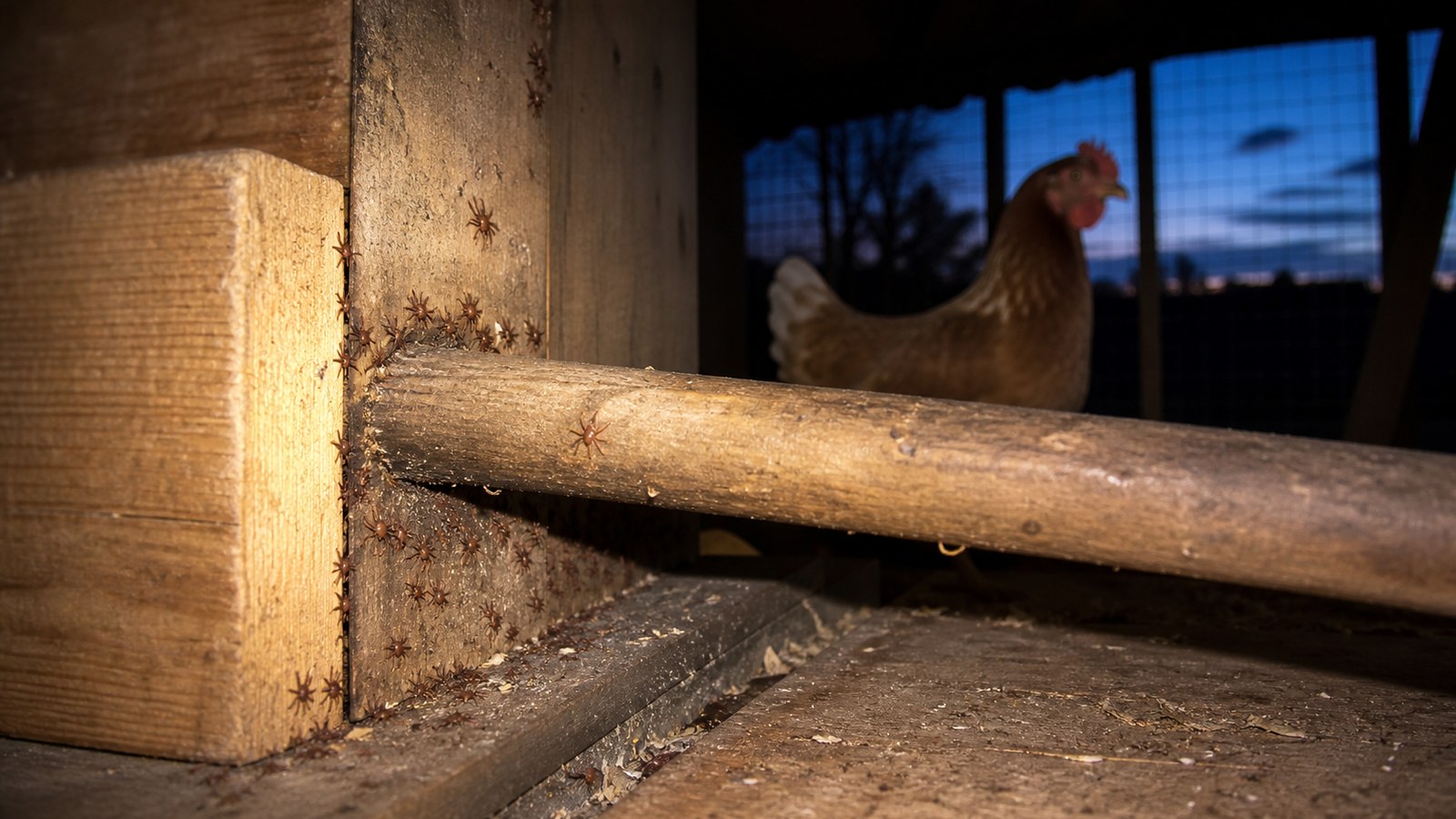

FAQ
Why are my chickens pulling each other's feathers?
Common causes include crowding, blocked access to feed or water, an unbalanced ration, parasites, boredom, flock changes and rooster mating pressure. The location and timing of damage help separate them.
Should I separate a pecked hen?
Separate her promptly if skin is bleeding, wet, badly damaged or she cannot escape attacks. Keep her in safe suitable housing and seek veterinary help for serious wounds.
Will more protein stop feather pecking?
It may help if the ration is genuinely deficient, but it will not fix mites, crowding, overmating or a learned attack. Start with complete feed and investigate the full pattern.
Is pecking order normal?
Brief threats and yielding are normal. Repeated chasing, preventing access to resources, feather pulling, vent pecking and drawing blood require action.
Sources behind this guide
The practical advice is checked against poultry extension and veterinary material, not just repeated from forum folklore.
Want to describe what is happening in your flock?
Tell me the birds' age, feed, housing and whether the problem affects one hen or the whole flock. The email address appears only after a click so it is not left open for simple scraping bots.
Keep the details before they disappear from memory
Twoja Farma helps you record eggs, feed changes, flock observations and costs. A short note made today is often more useful than a confident guess next week.