My chicken is lethargic, fluffed up and not eating: what should I check?
 Piotr Markotpoultry keeperFor backyard keepers and small flocks
The hen that misses the morning rush to the feeder is telling you something useful. She is not giving you a diagnosis, but she is giving you a reason to stop, watch and check her properly today.
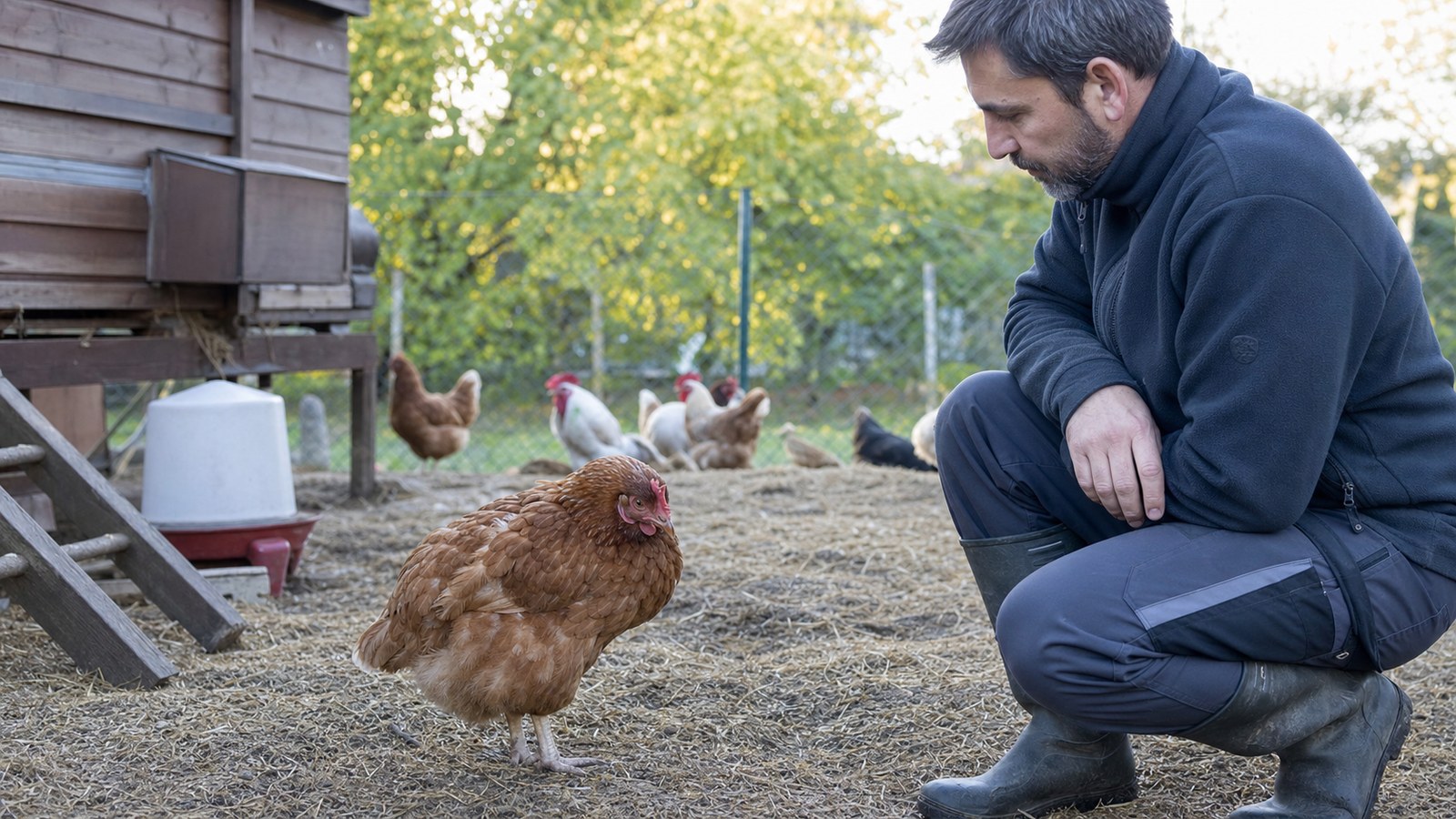
A change from normal matters more than a dramatic symptom list
A healthy hen is usually busy. She comes off the roost, reacts to feed, scratches, chats and keeps an eye on flock politics. On a hot afternoon she may rest in the shade, and on a cold morning she may puff her feathers. What worries me is a bird that behaves differently from her own normal: staying behind when feed arrives, closing her eyes repeatedly, hiding her neck, standing hunched or letting flock mates walk over her space without reacting.
I do not begin by matching one photograph to twenty diseases. I write down when the change began, whether she drinks, how she walks, whether her beak is closed while breathing and whether any other birds look wrong. A thirty-second video of posture and breathing is useful if you later call a vet. A note in your flock record also stops a vague morning impression becoming an unreliable story by evening. The guide to managing a small flock explains why these short observations earn their keep.
The ten-minute head-to-toe check
| Check | Look for | Why it matters |
|---|---|---|
| Response and balance | Closed eyes, weakness, stumbling, isolation | A bird that cannot stand or barely responds needs prompt help. |
| Breathing | Open beak, wheeze, discharge, stretched neck | Breathing difficulty is not a wait-and-see sign. |
| Comb and face | Unusual pallor, blue colour, swelling, eye changes | Colour changes alongside weakness raise urgency. |
| Crop | Still full first thing, hard mass, fluid or sour smell | Timing separates a normal evening crop from a problem. |
| Vent and abdomen | Soiling, straining, swelling, penguin stance | A laying hen may have a reproductive emergency. |
| Feet and legs | Heat, swelling, wound, dark scab, poor grip | Pain can look like general lethargy. |
Should you separate her from the flock?
Separate a clearly weak hen when others peck her, she cannot reach feed or water, or an infectious problem is possible. Use a clean, quiet pen with stable temperature, non-slip bedding and her own drinker and feeder. If practical, let her see or hear the flock. Isolation is for safety and observation, not punishment in a cold box at the back of a shed.
Do not chase every hen that takes a midday nap. Watch from a distance before handling, because capture adds stress and can change breathing. If you do isolate her, use separate equipment and clean hands and boots before returning to the main coop. When several birds show the same signs, think flock-level exposure rather than an unlucky individual and tighten biosecurity immediately.
Water first, but never force it down the throat
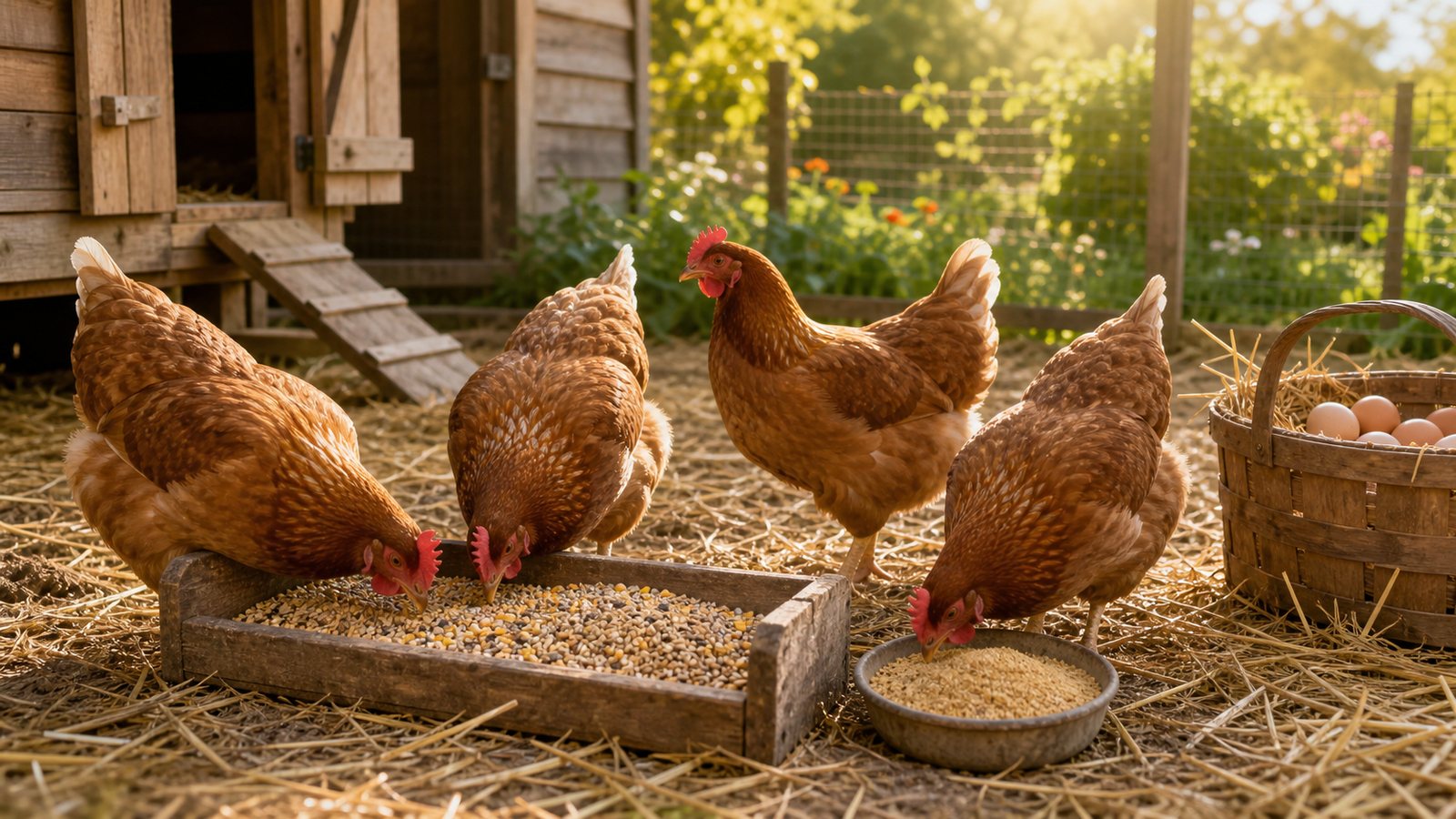
Chickens stop eating quickly when they cannot drink. Check that nipple drinkers actually release water, fountains are not frozen or overheated, and a dominant hen is not guarding the only station. Put fresh water within easy reach and watch for voluntary swallowing. A second drinker often reveals a competition problem that a full container had hidden.
Do not syringe water straight into the throat unless a trained professional has shown you the technique. Aspiration can turn a manageable case into a crisis. Electrolytes can support a genuinely dehydrated or heat-stressed bird, but they do not identify infection, crop trouble or an egg problem. A hen too weak to swallow, unable to stand or struggling to breathe needs professional help, not a stronger home-made mixture.
Check the crop before breakfast, not after supper
A well-fed crop can feel full at bedtime. By early morning, before the hen eats, it should be nearly empty. A crop that remains firm and packed may contain long grass or fibrous material. A swollen, soft crop holding foul-smelling liquid suggests a different problem. Feel gently and compare timing, texture, appetite and droppings rather than declaring every full crop impacted.
I do not hang a hen upside down or squeeze fluid towards her mouth. Crop contents can enter the lungs. Nor do I treat grit as a drain cleaner: insoluble grit helps the gizzard process food, but it does not safely remove an established blockage. A crop that repeatedly fails to empty, weight loss or a sour smell deserves an avian or poultry vet assessment.
Droppings are evidence, not a diagnosis by colour chart
Place the hen on a clean pale pad and inspect several droppings. Note volume, water, blood, undigested grain and whether she passes anything at all. Chickens regularly produce a softer, darker, stronger-smelling caecal dropping, so one alarming splat from an otherwise bright bird proves little. A repeated change paired with poor appetite, weight loss or depression is much more meaningful.
Look around the vent as well. Soiled feathers can confirm diarrhoea and hide irritated tissue. Do not reach for a wormer solely because a hen is quiet; parasites are one possibility among many, and a faecal test can turn a guess into a targeted plan. Blood, rapid decline, multiple affected birds or a chick showing severe depression should move the case out of the internet-advice category.
Penguin posture and repeated nest visits
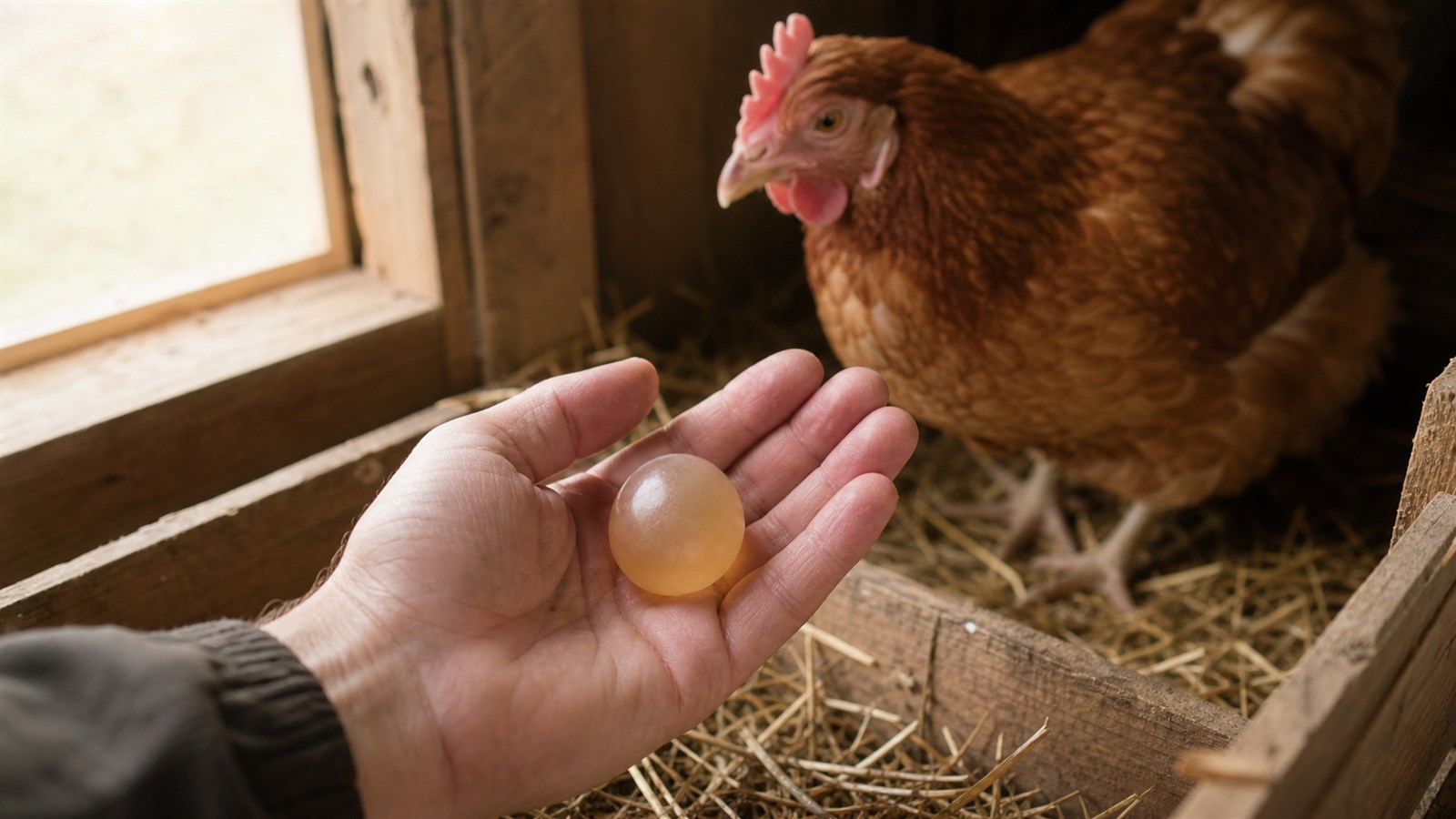
A laying hen standing upright like a penguin, pumping her tail, straining or visiting the nest repeatedly without producing an egg may have reproductive trouble. Check her laying history and whether recent eggs were soft or shell-less. The companion article on soft-shelled eggs gives useful background, but similar postures can have several causes.
Do not insert tools, pull exposed tissue or try to break a suspected egg. Handle the abdomen gently and avoid repeated squeezing. Straining with weakness, abdominal swelling, breathing changes or an inability to pass droppings is urgent. This is one of those moments when a confident online trick is much less valuable than an early call to a poultry-savvy vet.
Parasites, body condition and the hen at the bottom of the pecking order
Part feathers under the wings and around the vent. Look at skin, feather shafts and the comb. Red mites spend much of the day hidden in coop cracks, so a clean daytime bird does not clear the house. Pale combs, restless nights and hens reluctant to enter the coop make an after-dark inspection worthwhile; use the guide to red mites in the chicken coop.
Run your fingers along the breastbone and compare muscle on each side with another hen of similar build. Feathers conceal weight loss surprisingly well. Then watch the feeder. A full hopper does not guarantee access for a timid bird. Adding another feeding point may help, but a thin, withdrawn hen still needs the reason for her weight loss investigated rather than being labelled shy.
Red flags that should not wait until tomorrow
- Laboured breathing, blue comb, neck stretching or open-mouth breathing when heat is not the explanation.
- Neurological signs such as a twisted neck, tremors, paralysis, repeated falling or severe loss of coordination.
- Persistent straining, penguin posture or a swollen abdomen in a laying hen.
- Bleeding, prolapsed tissue, a major wound or blood repeatedly present in droppings.
- Several sick birds or sudden deaths; reportable disease rules vary, so contact the relevant vet or animal-health authority.
- No drinking and rapidly increasing weakness, especially when the hen cannot remain standing.
My first 24-hour plan is deliberately boring
I record the time, take a short video, offer easy access to clean water and the correct complete feed, then perform one careful physical check. I inspect several droppings and check the crop before breakfast. I do not change the ration, room temperature, supplements and worming treatment on the same afternoon. One change at a time preserves information.
If she still refuses food after a short period, worsens or develops another sign, I call a vet who sees poultry or avian patients. I prepare age, approximate weight, feed label, laying history, duration, flock size and clear photographs. Those plain details shorten the detective work. The dangerous alternative is two days of small doses from every bottle in the cupboard, followed by no clear memory of how the case began.
Piotr Markot
poultry keeper. I keep poultry myself and write about the checks that actually help around a small coop, without pretending that every odd egg or missing feather has one magic answer.
Read next on the blog
See all guides →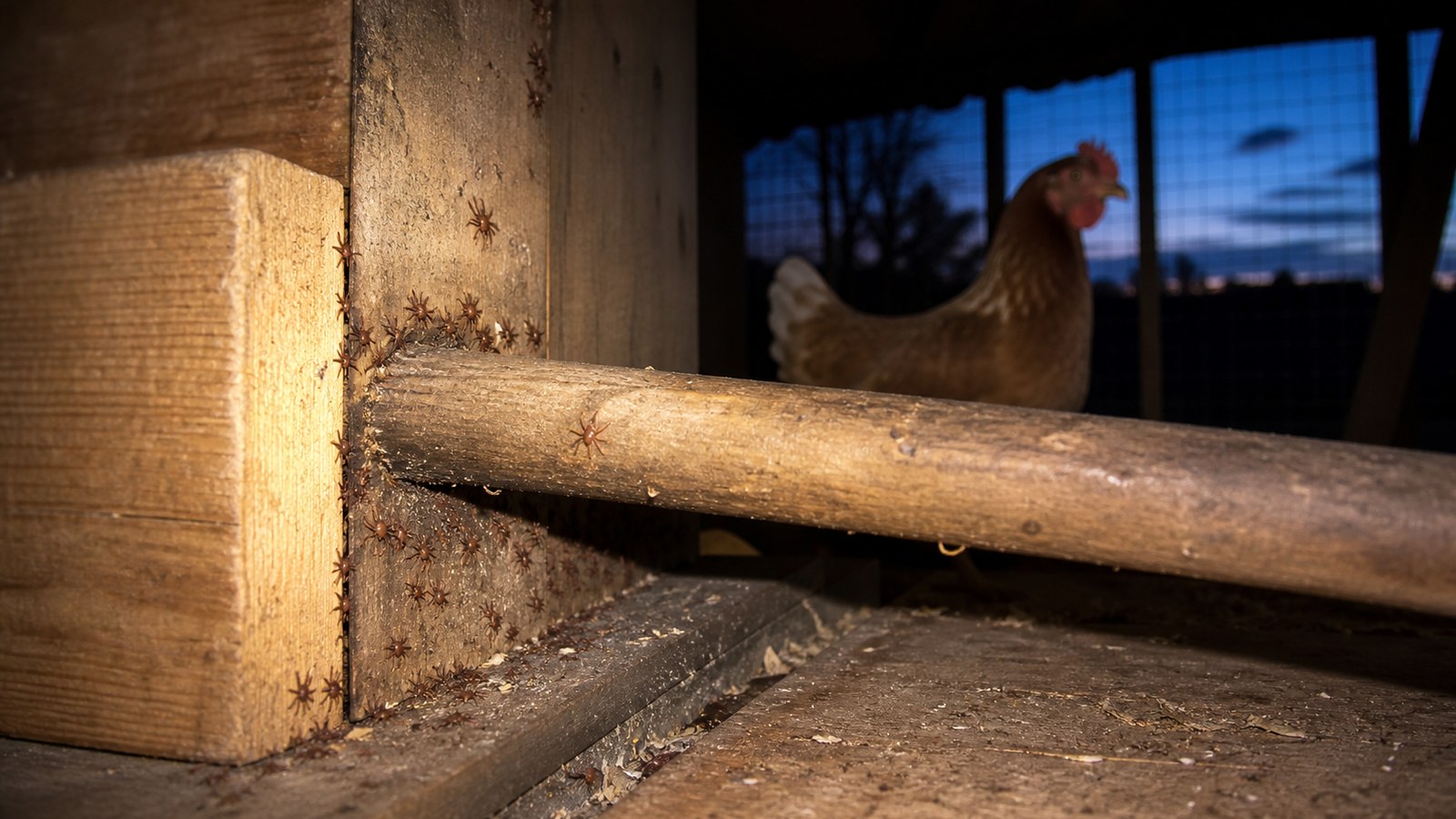

FAQ
Why is my chicken fluffed up and not eating?
Pain, infection, dehydration, digestive trouble, parasites, injury and reproductive disease can all cause this appearance. Check the whole bird and her behaviour rather than diagnosing from posture alone.
Should I isolate a lethargic chicken?
Separate her if she is weak, bullied, unable to reach resources or potentially infectious. Use a clean, calm pen with proper water, feed and stable temperature.
What can I give a chicken that will not eat?
Put fresh water and the correct complete ration within easy reach. Do not force fluids or replace diagnosis with random antibiotics, wormers or several supplements.
When is an unwell hen an emergency?
Urgent signs include breathing difficulty, neurological signs, severe straining, abdominal swelling, bleeding, inability to drink, rapid deterioration, several sick birds or sudden deaths.
Sources behind this guide
The practical advice is checked against poultry extension and veterinary material, not just repeated from forum folklore.
Want to describe what is happening in your flock?
Tell me the birds' age, feed, housing and whether the problem affects one hen or the whole flock. The email address appears only after a click so it is not left open for simple scraping bots.
Keep the details before they disappear from memory
Twoja Farma helps you record eggs, feed changes, flock observations and costs. A short note made today is often more useful than a confident guess next week.