Araucana chickens: what kind of breed is it and is it worth keeping?
 Piotr Markotpoultry breederBlue eggs and true breed type
Updated:
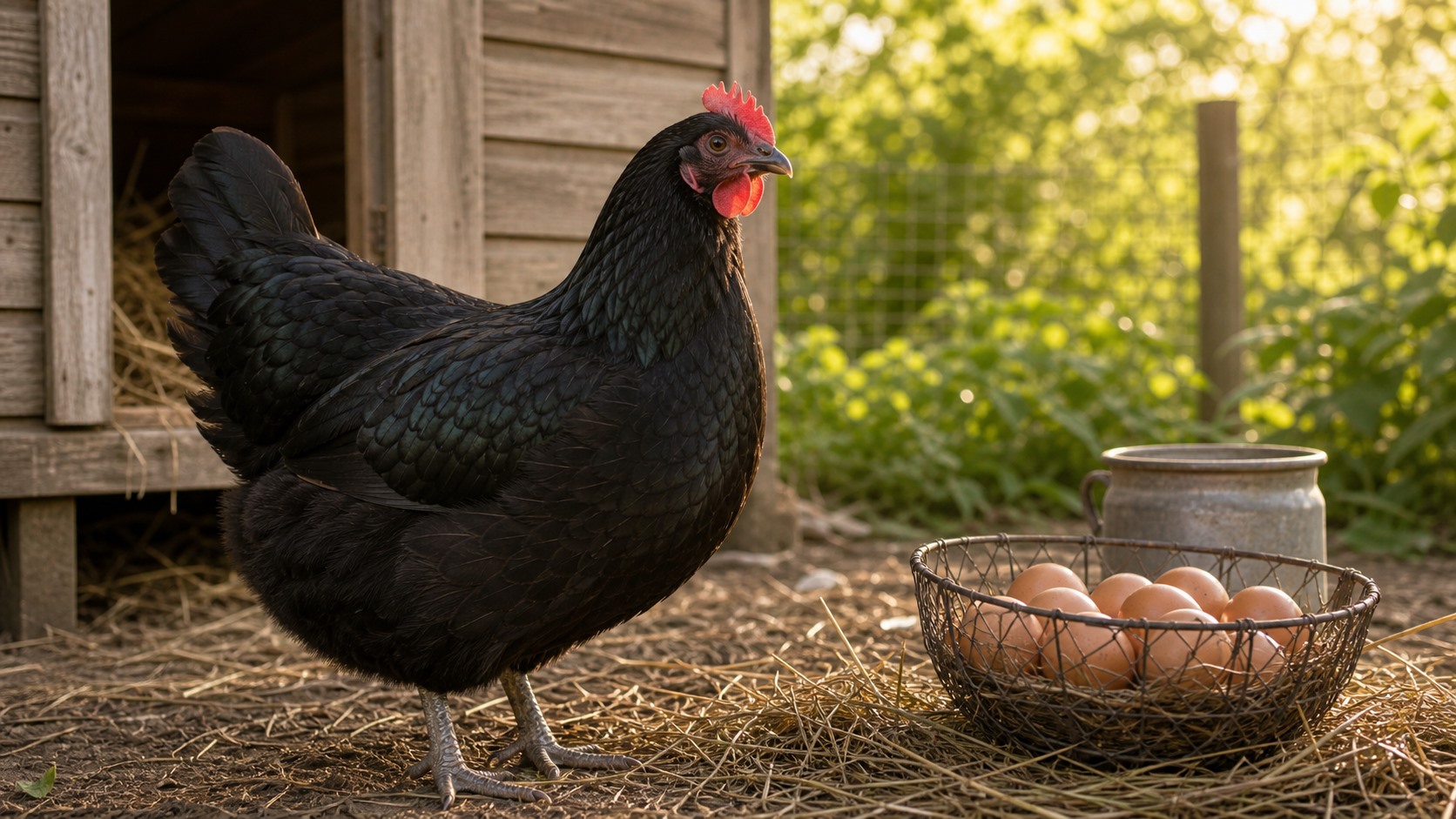
Araucanas attract attention quickly because of the blue eggs, but the breed is more than shell colour. The real challenge is that many birds are sold under the name even when they do not really match the classic breed type.
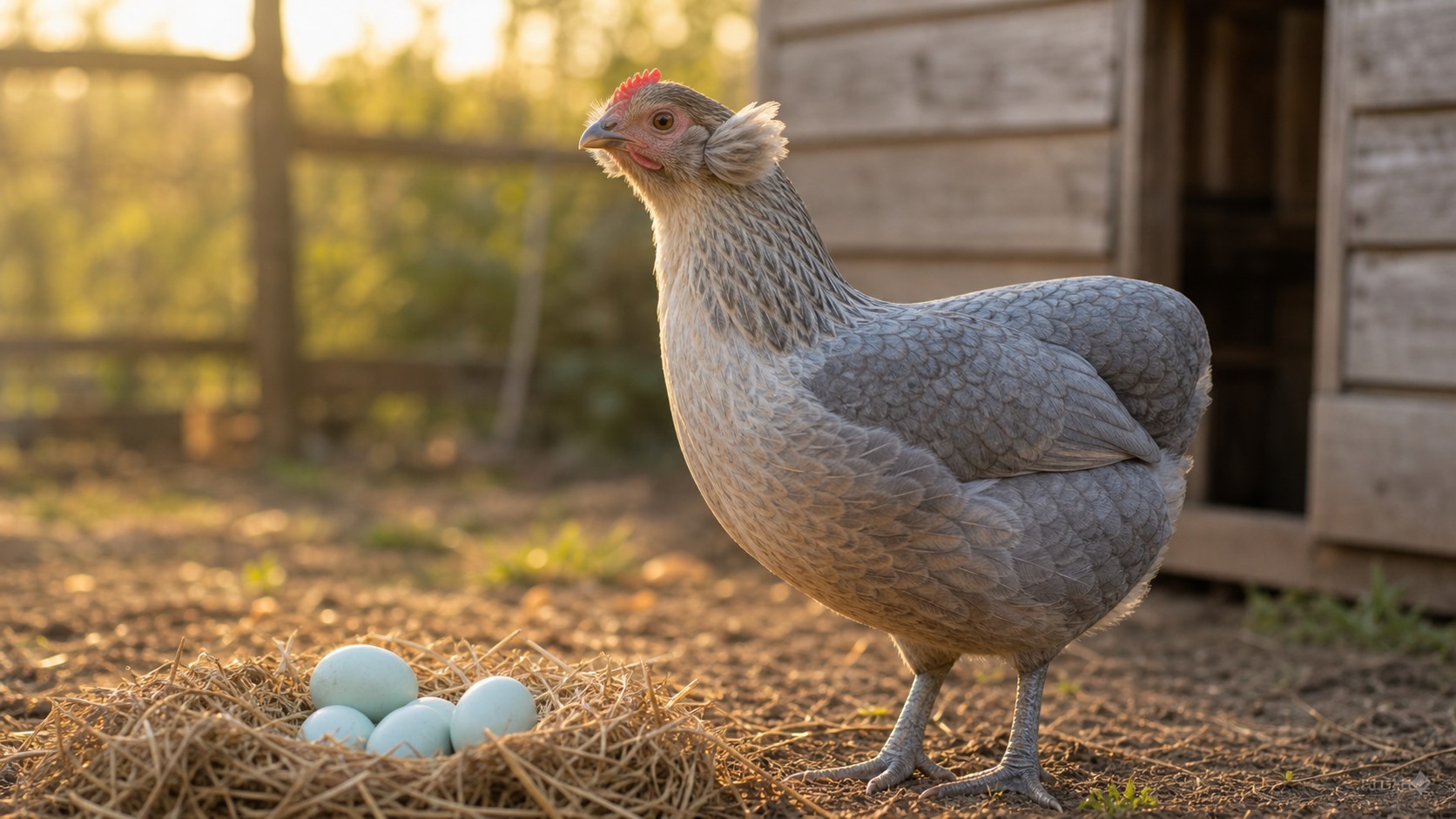
Where did this breed originate?
The Araucana traces its roots to chickens kept by the Mapuche people in Chile. Breeders in other countries later developed different standards. This explains why birds sold under the same breed name can differ in tail and head features; ask which standard the flock follows.
If you want Araucanas, it helps to know what makes them different before you buy.
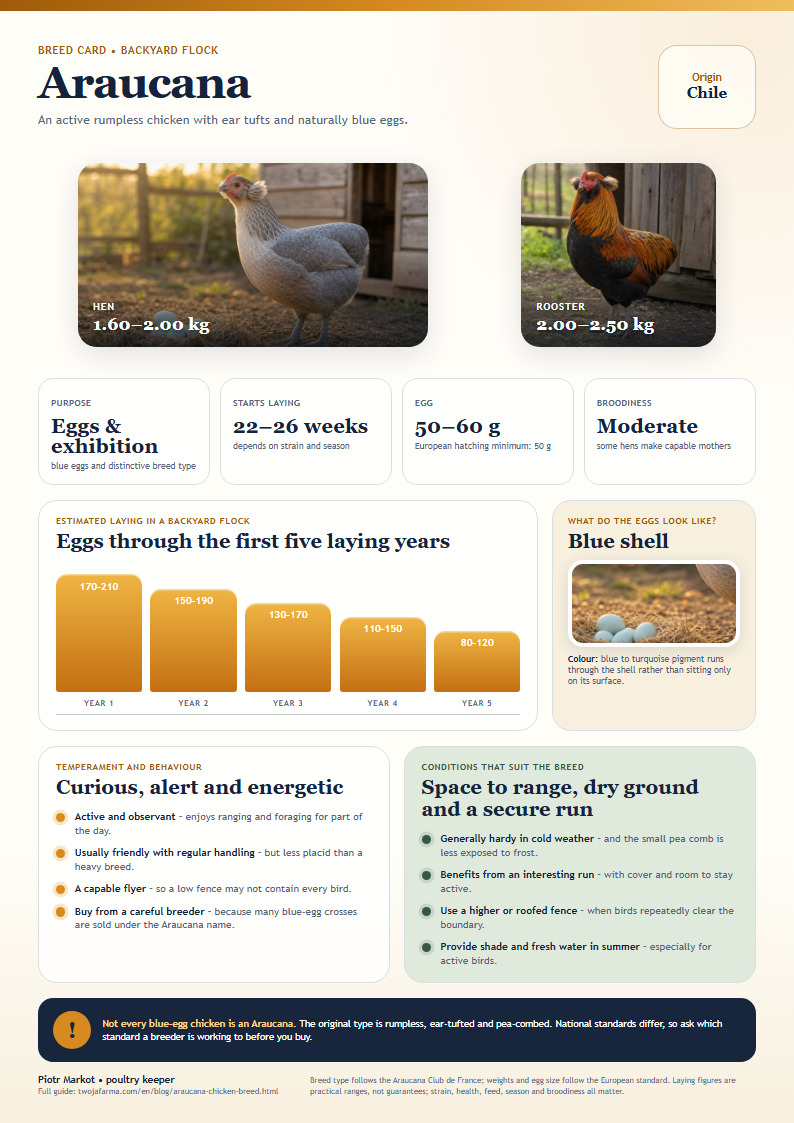
Printable Araucana breed card
Adult weights, eggs, temperament, housing needs and realistic laying ranges are gathered on one clear A4 page.
Short version: who Araucanas really suit
- their biggest draw is the true blue shell colour,
- they bring a stronger breed identity than a generic utility hen,
- they are usually not the best choice if your only goal is the highest number of eggs,
- buying carefully matters because many birds are sold as “blue egg layers” without being true Araucanas.
What really makes the breed different
Most people start with the egg colour, and that makes sense because a basket with real blue eggs stands out immediately. But if you only think of an Araucana as “the blue egg chicken,” you miss most of the point. It is also a breed people choose because they enjoy a distinct type of bird, not just a shell colour.
In a backyard flock, that matters more than many beginners expect. You live with the bird, not just with the egg photo.
Expected laying from year 1 to year 5
Araucanas can be useful layers, but I would never sell them as a pure production breed. They usually do best in the earlier seasons and then ease back gradually, like many more distinctive traditional breeds.
| Laying year | Practical backyard range |
|---|---|
| Year 1 | Often around 170 to 210 eggs in a solid first season. |
| Year 2 | Commonly around 150 to 190 eggs. |
| Year 3 | Often around 130 to 170 eggs, depending on strain and management. |
| Year 4 | Usually around 110 to 150 eggs. |
| Year 5 | Often around 80 to 120 eggs, with more individual variation showing up. |
I would read those numbers as realistic working ranges, not promises. In small flocks, line quality and overall management matter a lot.
What to watch when buying them
This is probably the most practical tip in the whole article: not every bird laying blue-ish or green-ish eggs is a true Araucana. Backyard sellers often mix up Araucanas, Easter Eggers and other blue-egg types, sometimes honestly and sometimes not.
If you care about the breed itself, ask about the line, look at the birds, and do not buy on one pretty egg photo alone.
Useful backyard tips for keeping Araucanas
Araucanas usually suit keepers who like a little structure in their flock management. This is a breed where it helps to know which birds came from which line, which hens are actually laying the shells you want, and which cockerel produced what. They reward a more deliberate style of keeping.
They also make more sense when you actually like the breed, not just the marketing idea of blue eggs. That sounds simple, but it matters. People who buy them for the whole package tend to be much happier with them.
Would I recommend them?
Yes, if you want true blue eggs and enjoy breed character. No, if you only want the easiest high-output hen possible. Araucanas are more interesting than that, but they also ask for a little more intention from the person keeping them.
Araucana, Ameraucana or Easter Egger?
With blue eggs, names get mixed very quickly. Some sellers use Araucana for any bird that lays a blue or greenish egg. That does not mean every such bird is a true Araucana. If you care about the breed, ask about parent stock, type and what standard the breeder is working toward.
If you only want a pretty basket, Easter Egger type birds can still be enjoyable. The problem is not mixed birds; the problem is unclear labeling. A backyard keeper should know whether they are buying a breed, a project line or simply a colorful egg layer.
Looking for the bird behind a genuinely blue egg?
The focused guide to chickens that lay blue eggs compares Araucana with Ameraucana, Cream Legbar, Easter Eggers and commercial hybrids.
Araucana standards are not identical around the world
This breed causes arguments because the American, British, Australian and European descriptions are not identical. The American Poultry Association large-fowl Araucana is rumpless and should have ear tufts, a pea comb and blue eggs. Other national standards may describe tailed, bearded or differently tufted birds. Before calling a breeder wrong, ask which recognised standard they follow.
Under the American large-fowl standard, mature hens are about 4 pounds (1.8 kg) and cocks about 5 pounds (2.3 kg). Other standards can produce somewhat different weights. That is another reason not to identify the breed from body size or one blue egg alone.
The practical rule is simple: buy a bird that is honestly labelled. A mixed blue-egg layer can be an excellent backyard hen. It should not be sold as a standard Araucana if the breeder cannot explain the line and type.
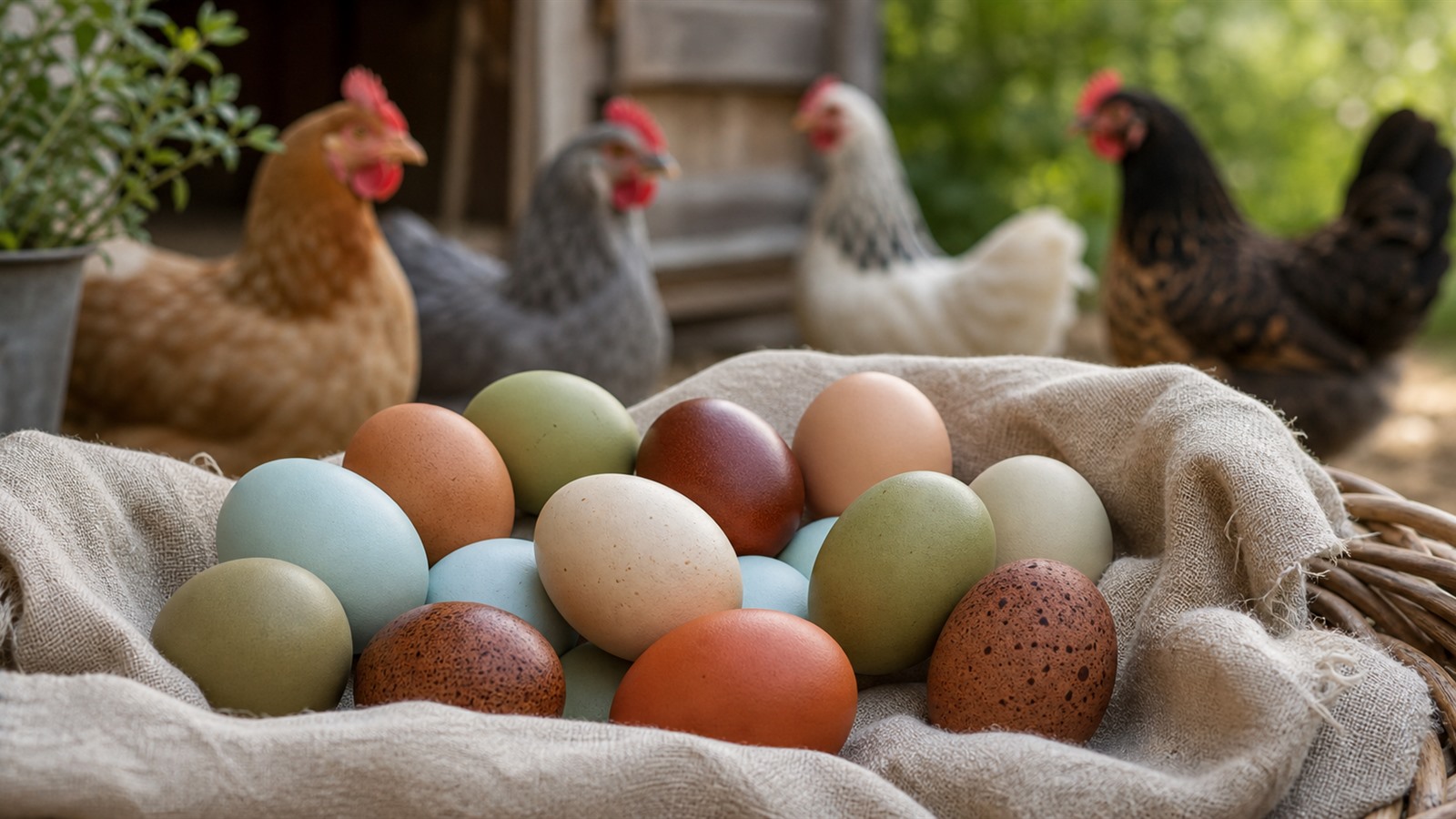
Blue shell, green shell and what the genetics mean in the nest
A true blue shell is coloured through the shell rather than carrying only a brown surface coating. When blue-shell genetics combine with genes that add brown pigment, the result can look green or olive. That is useful for a colourful egg project, but it does not mean every green layer is an Araucana.
If you buy hatching eggs, look at several eggs from the actual breeding pen in neutral daylight. Ask whether each hen is identified and whether the seller breeds to a standard or simply for shell colour. A photograph of one turquoise egg beside an over-saturated background is not breeding documentation.
Shell shade can vary between hens and with lighting, but the basic blue foundation should not be confused with a normal brown egg photographed under a cool filter.
Buying hatching eggs and chicks: where expectations go wrong
Ear tufts can be uneven, and not every chick from tufted parents will look identical. In tufted Araucana lines, the gene associated with tufts also creates a real breeding challenge when inherited from both parents. That is one reason hatch rates and the number of correctly marked chicks may not match a beginner's simple expectation.
Ask about fertility, hatchability, parent type and what proportion of chicks usually meet the breeder's standard. Honest percentages are more useful than a guarantee that every chick will be perfectly tufted. If your only goal is blue eggs, a well-bred Ameraucana, Cream Legbar or clearly labelled Easter Egger may be an easier route depending on your country.
Keeping Araucanas in a practical backyard flock
Give them the same foundations as any useful breed: dry bedding, clean water, complete feed, secure fencing and enough room to avoid constant pressure. Their smaller comb can be helpful in cold weather, but no breed is protected from damp air, poor ventilation or predators.
For breeding, individual records matter. Note which hen lays which shade, how often she lays, her body condition and the quality of her offspring. Selecting only the bluest egg can slowly lose temperament, structure and health. The bird behind the egg still has to live well in your flock.
Piotr Markot
Poultry breeder. I write practical notes from everyday small-flock keeping, without making the topic more complicated than it needs to be.
FAQ
Do Araucanas lay blue eggs?
Yes. Blue eggs are one of the main breed attractions.
Is every blue-egg bird an Araucana?
No. Many birds sold as blue-egg chickens are actually Ameraucana or mixed Easter Egger types.
What makes a true Araucana stand out?
It depends on the national standard. The American large-fowl standard calls for a rumpless, ear-tufted bird, while recognised standards elsewhere can describe a different Araucana type.
Is Araucana the easiest colourful-egg breed for beginners?
Not always. It can be more breed-specific than the average keeper expects.
What this article is based on
Still have a question?
If you want to ask whether a bird is a true Araucana or just a blue-egg mix, you can write to me by email.